Circular economy offers a compelling alternative to linear consumption and production practices that waste monetary and physical resources. However, the inconsistent development, implementation, and assessment of circular business models have hindered widespread adoption and realization of sustainability benefits from circular economy solutions.. Keywords: circular solution; environmental assessment; product lifecycle; sharing economy; short supply chain; biomass utilisation 1. Introduction The concept of the circular economy has become well known and researched through the European Union’s Action Programs in recent years, but its scientific foundations and other system solutions
Circular economy according to the scheme proposed by Ademe [4

Alterledger and the Circular Economy Alterledger

Loading Circular Economy IcapSira

Circular Economy Packaging Solutions Recycling and Recyclability
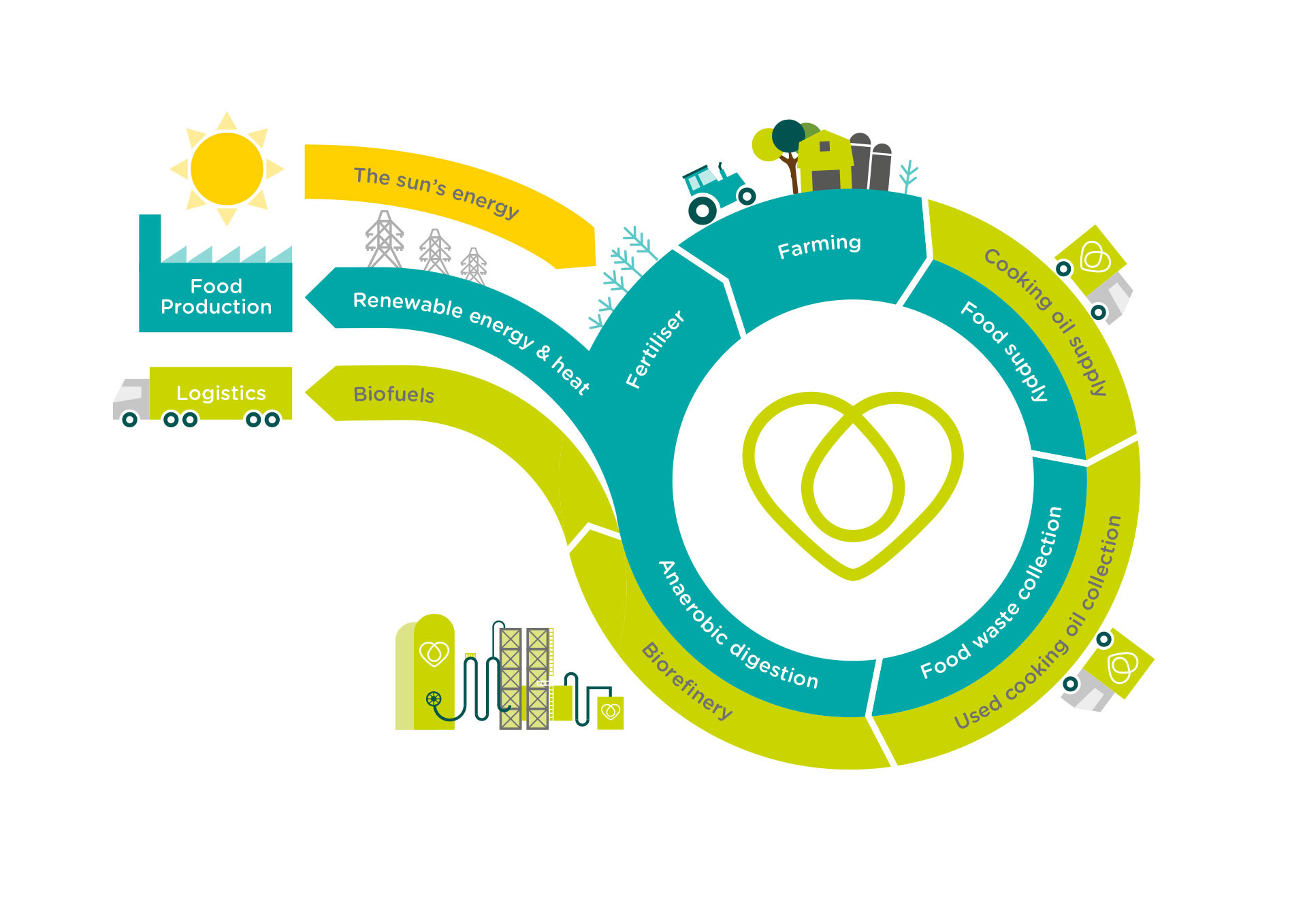
Circular Economy in Action Olleco
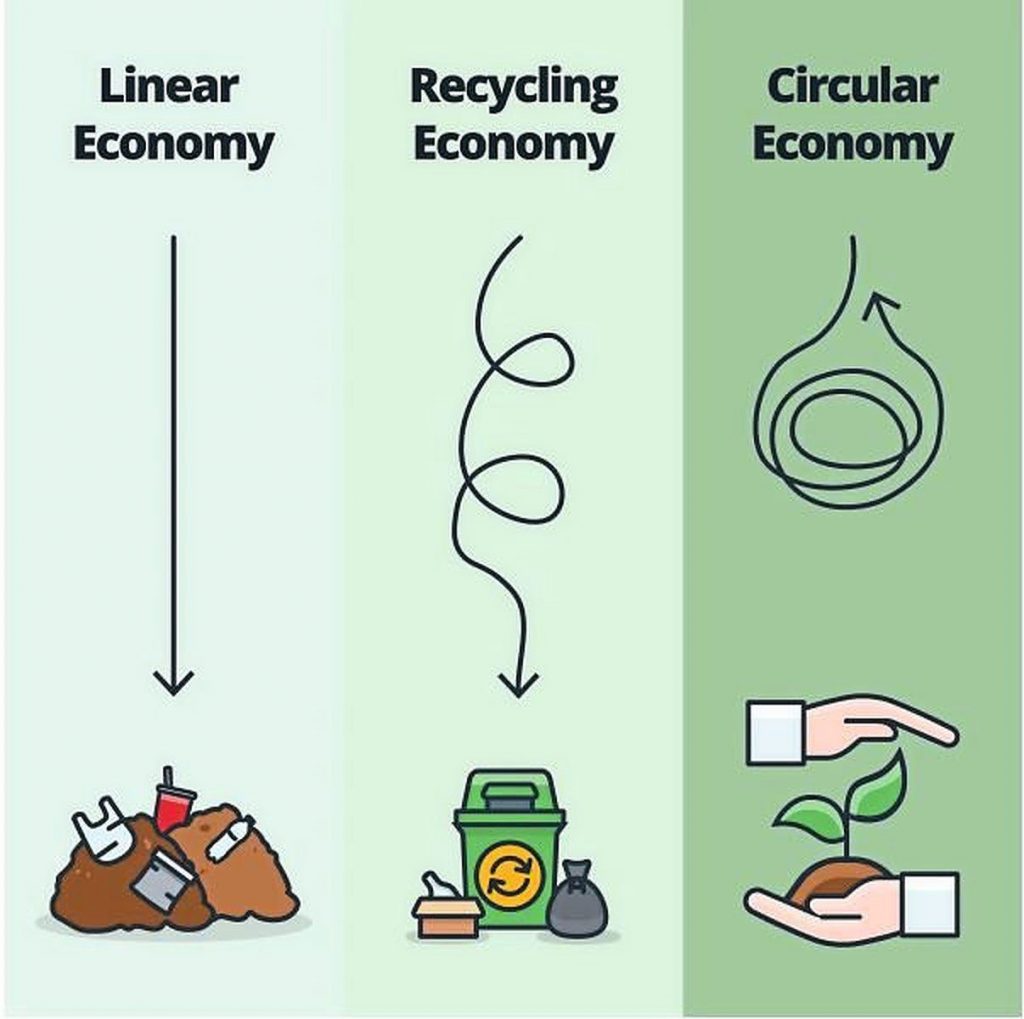
How does adopting a circular economy impact sustainable progress
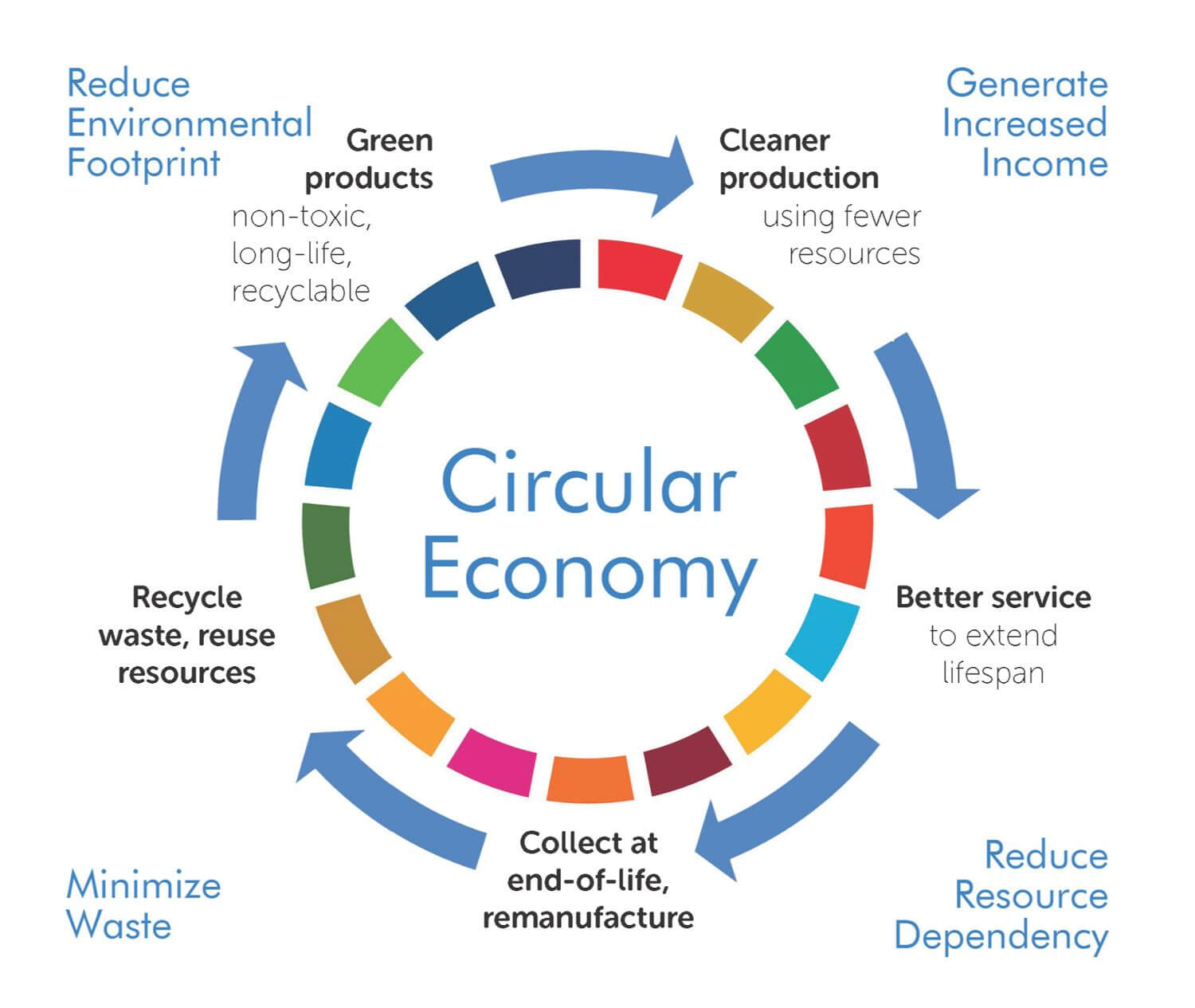
The Circular Economy Vision, Problems and Smart City Solutions
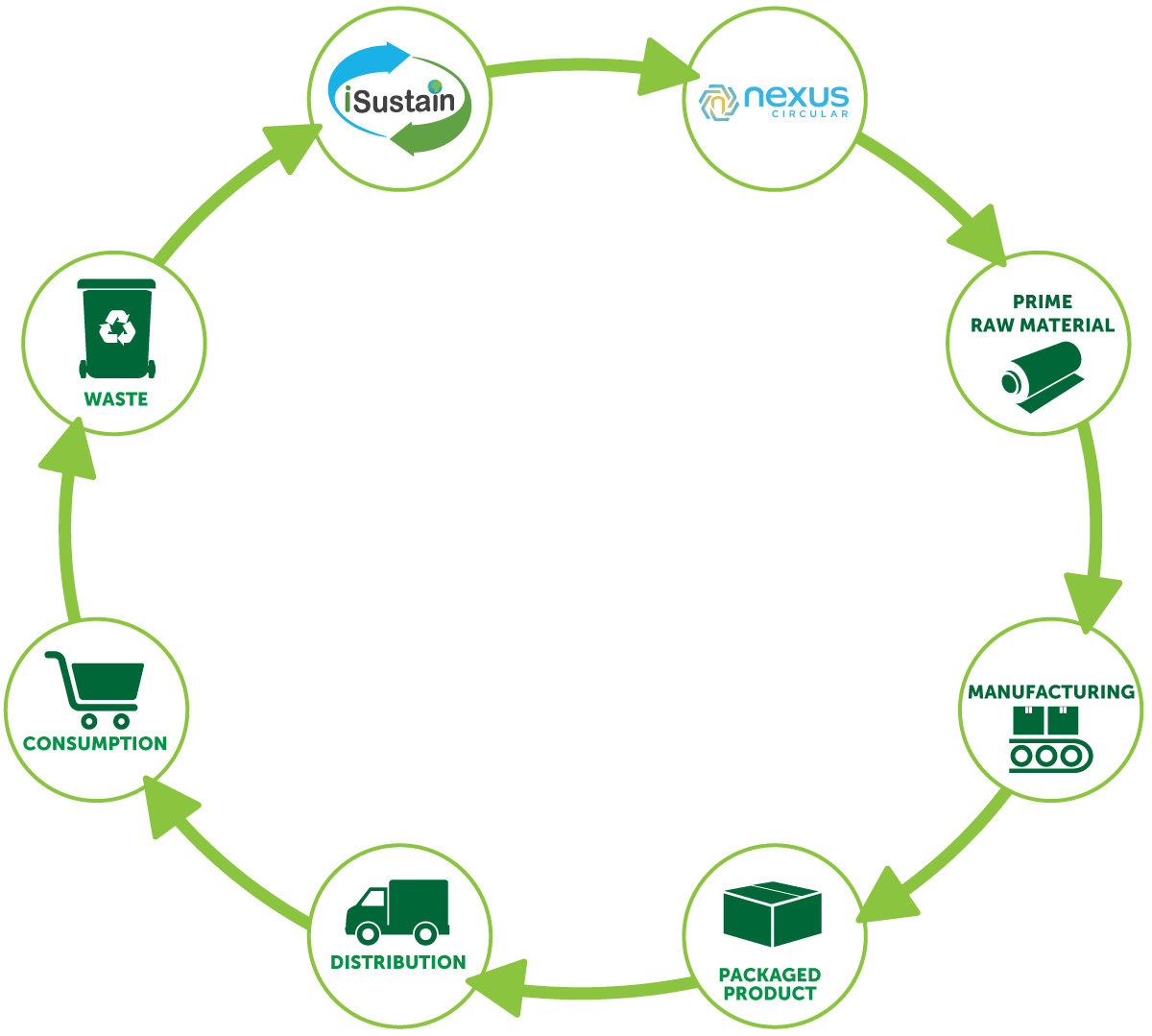
circulareconomy iSustain Recycling
The Circular Economy is good for business ThinkBusiness
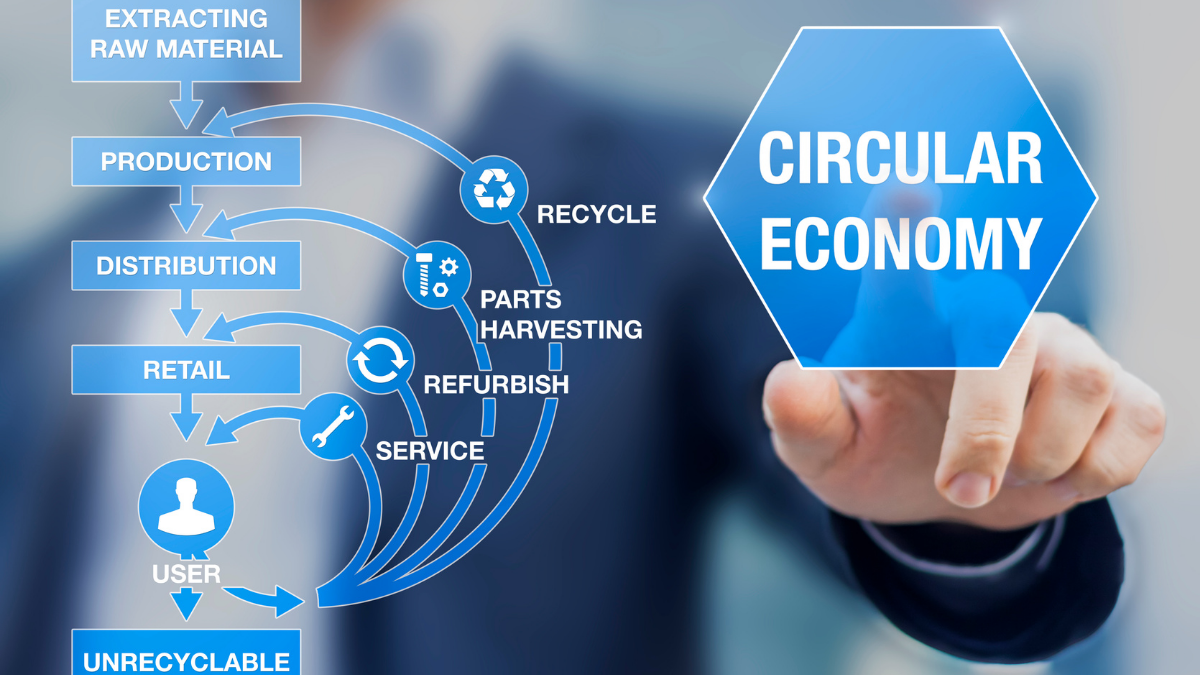
EWaste Recycling Information Brought to you by TechReset
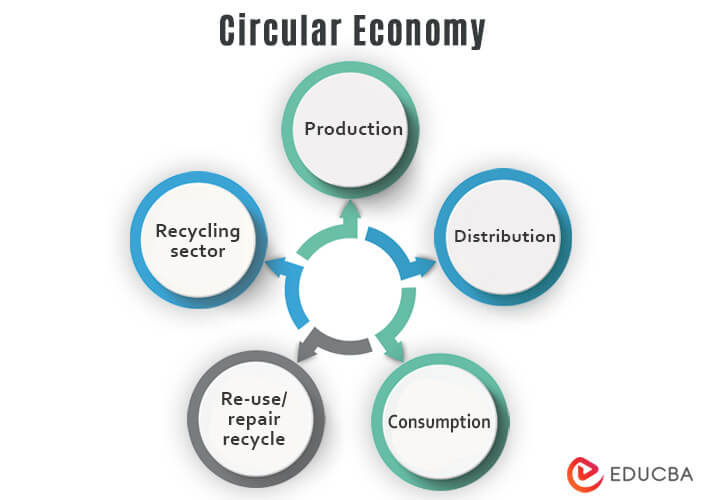
Circular Economy Meaning, How it Works, RealWorld Examples
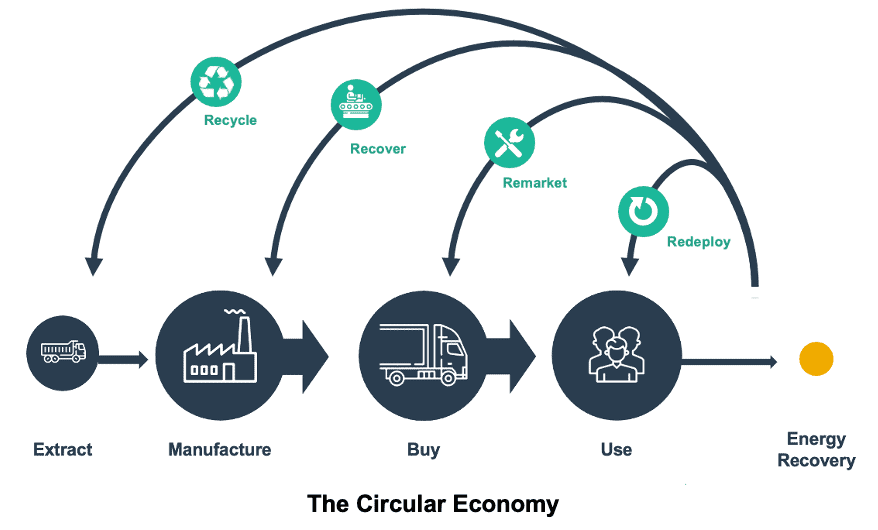
The Road to the Circular Economy Inbound Logistics
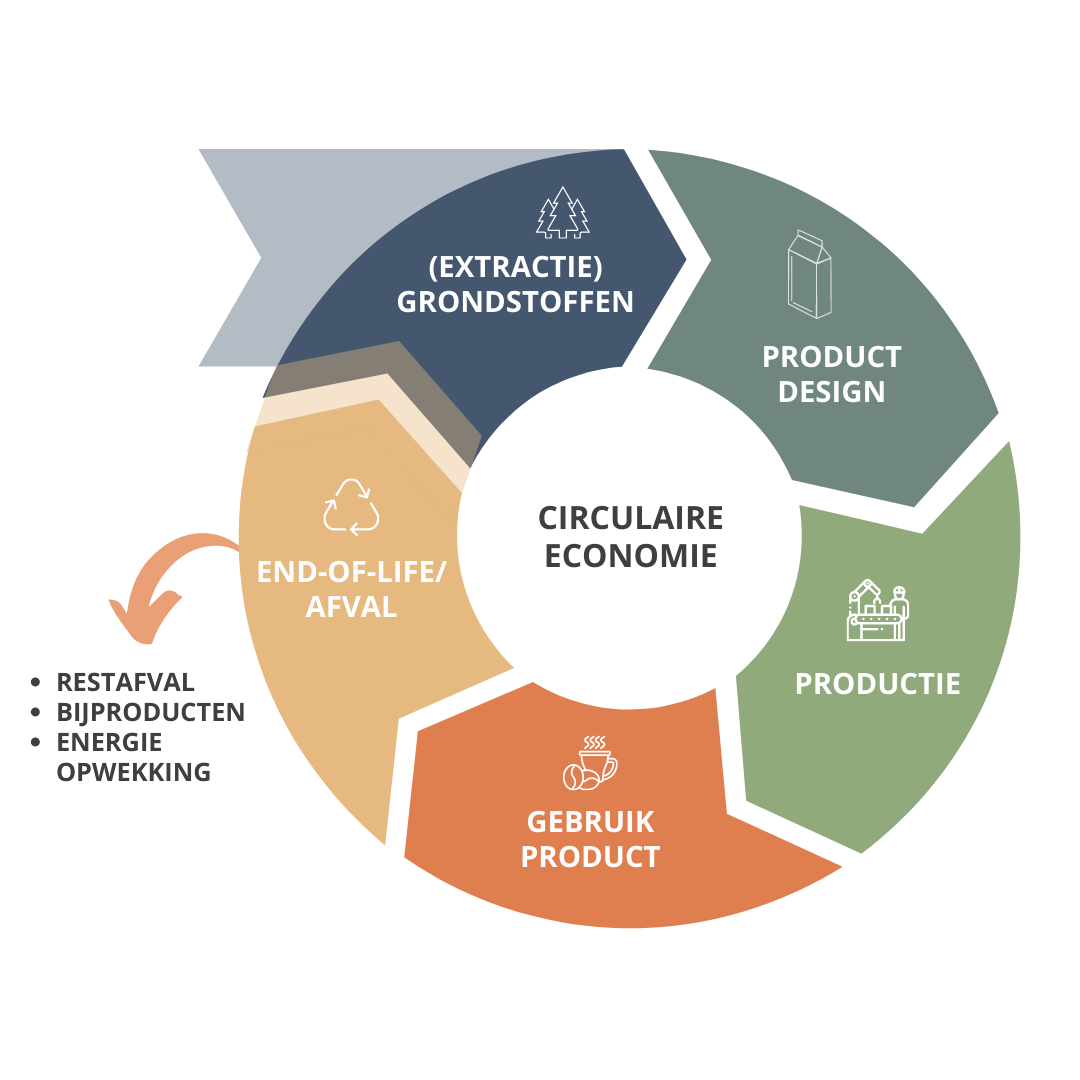
Circular Economy Baginco
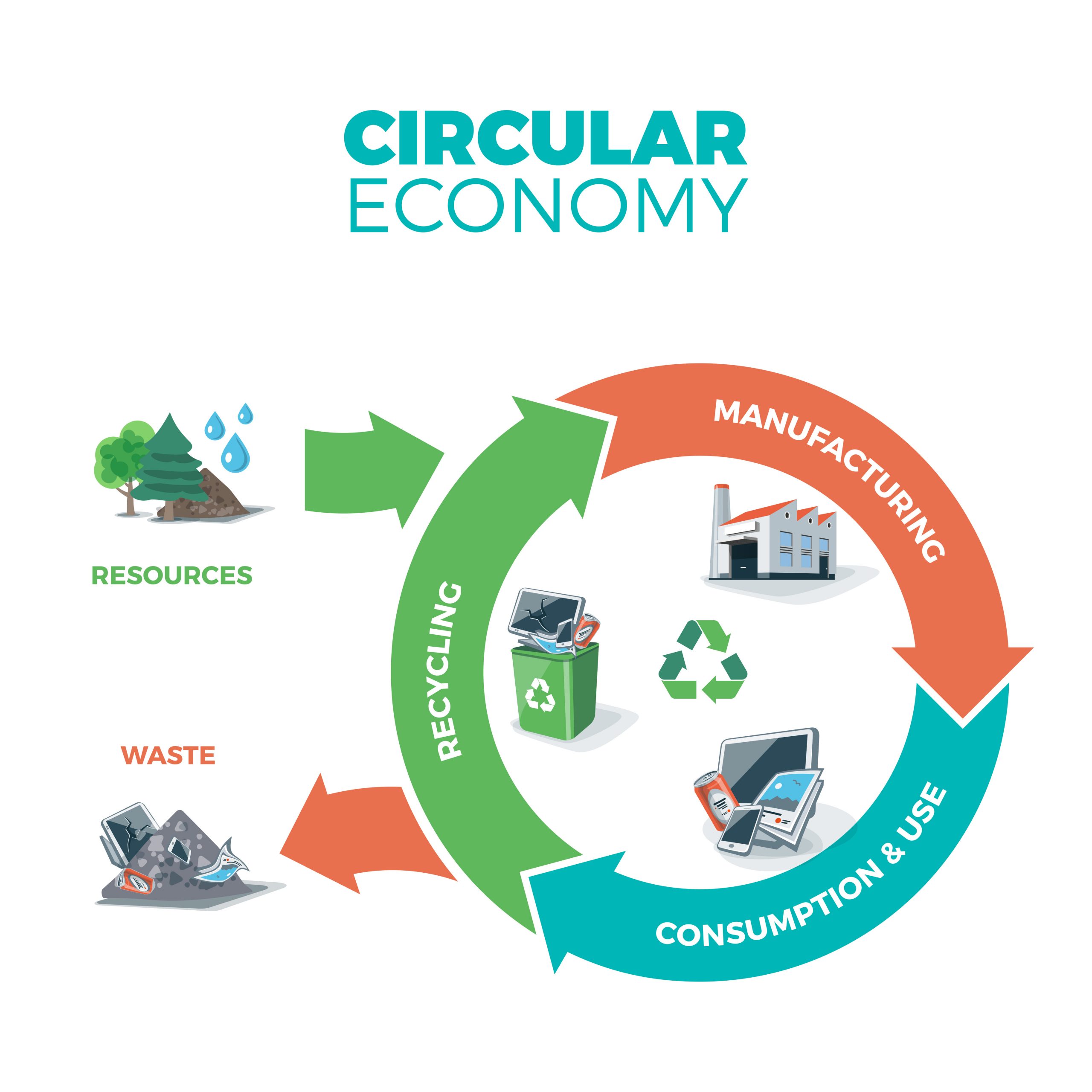
Testtex CircularEconomy
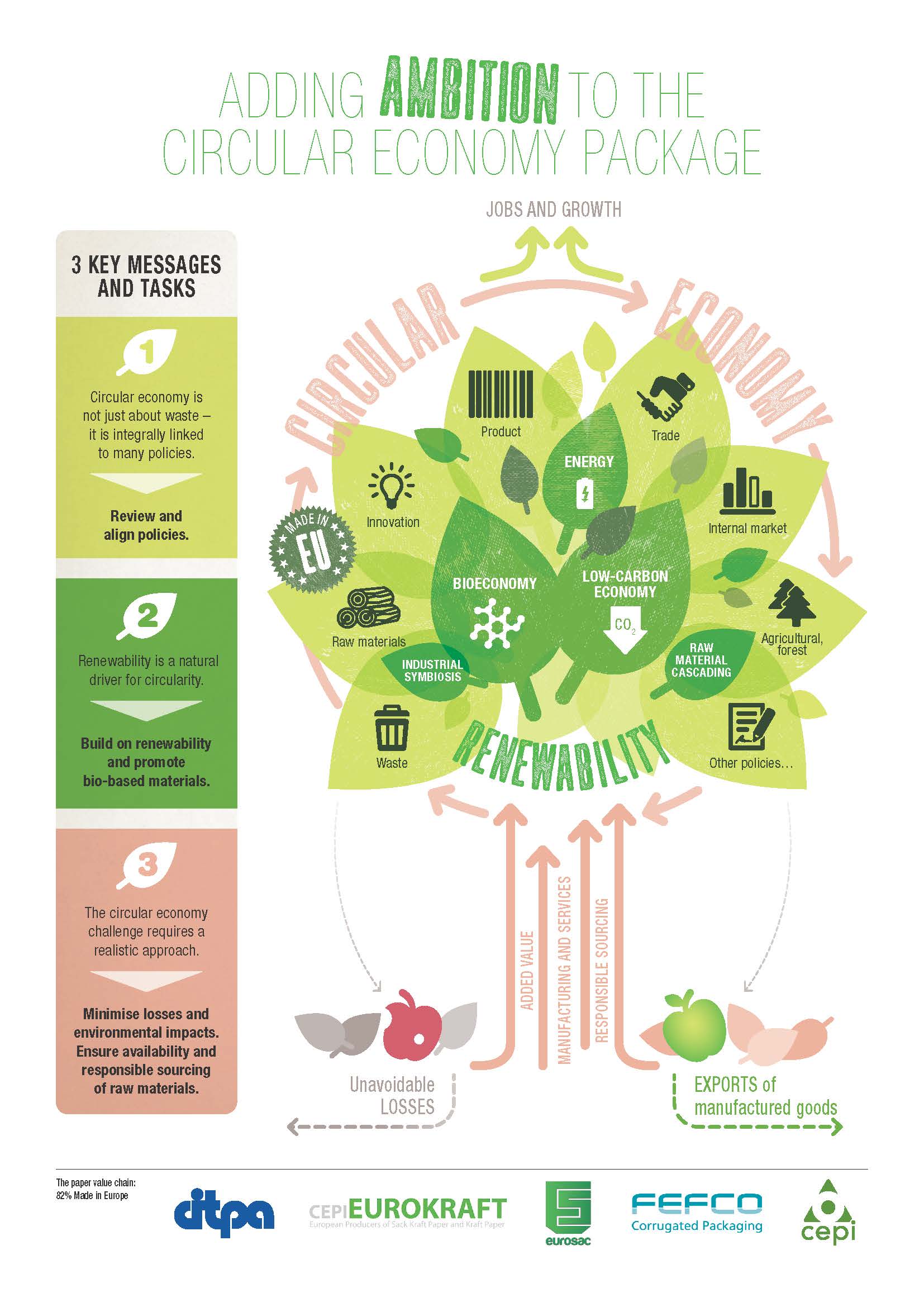
CircularEconomy
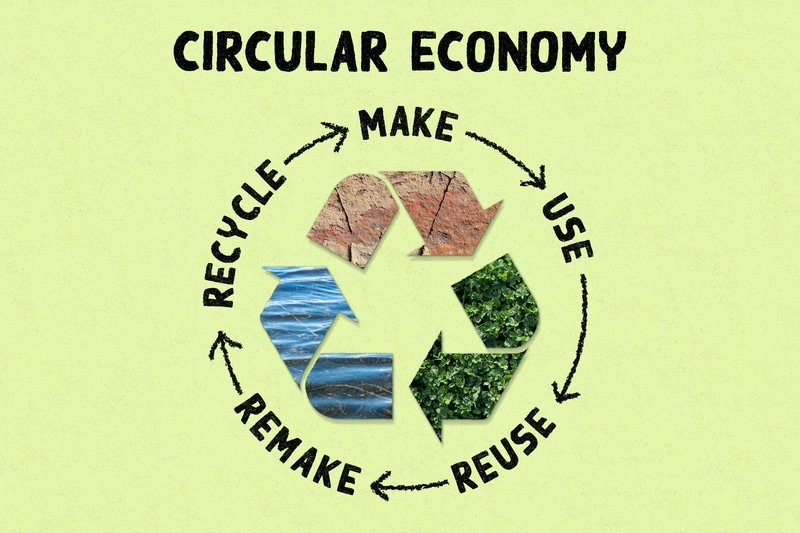
The Circular Economy Can Boost Supply Chain Resilience Tompkins Ventures
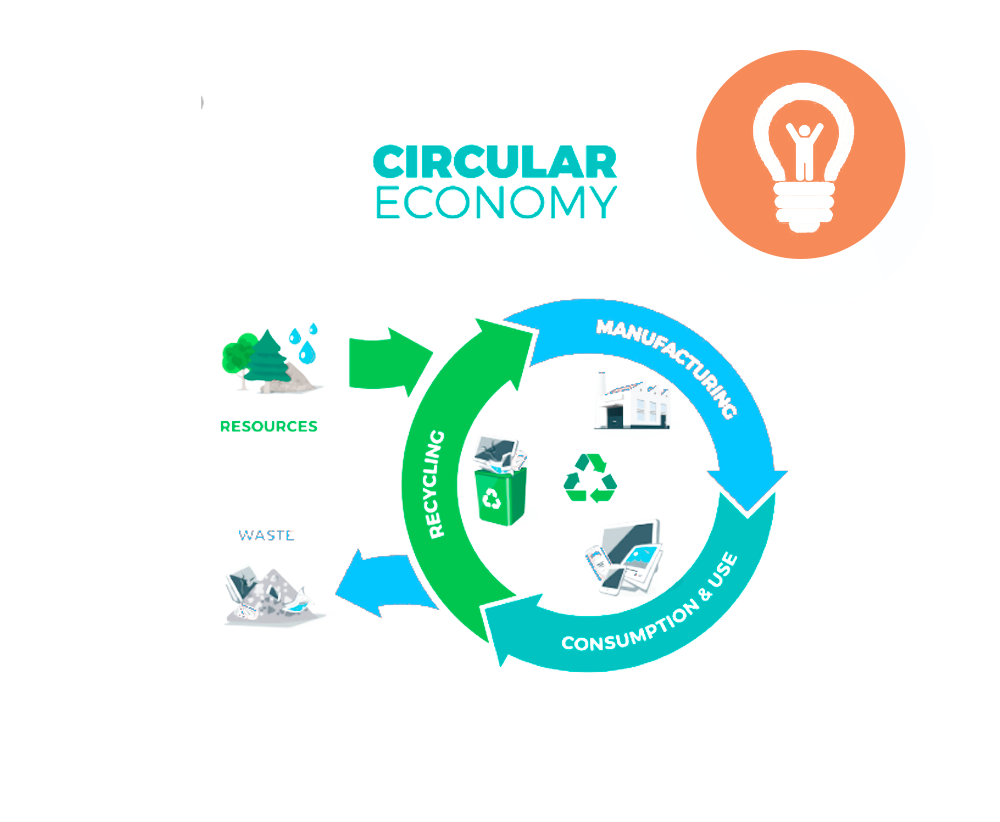
The call for expressions of interest in the Business4Change Hackathon
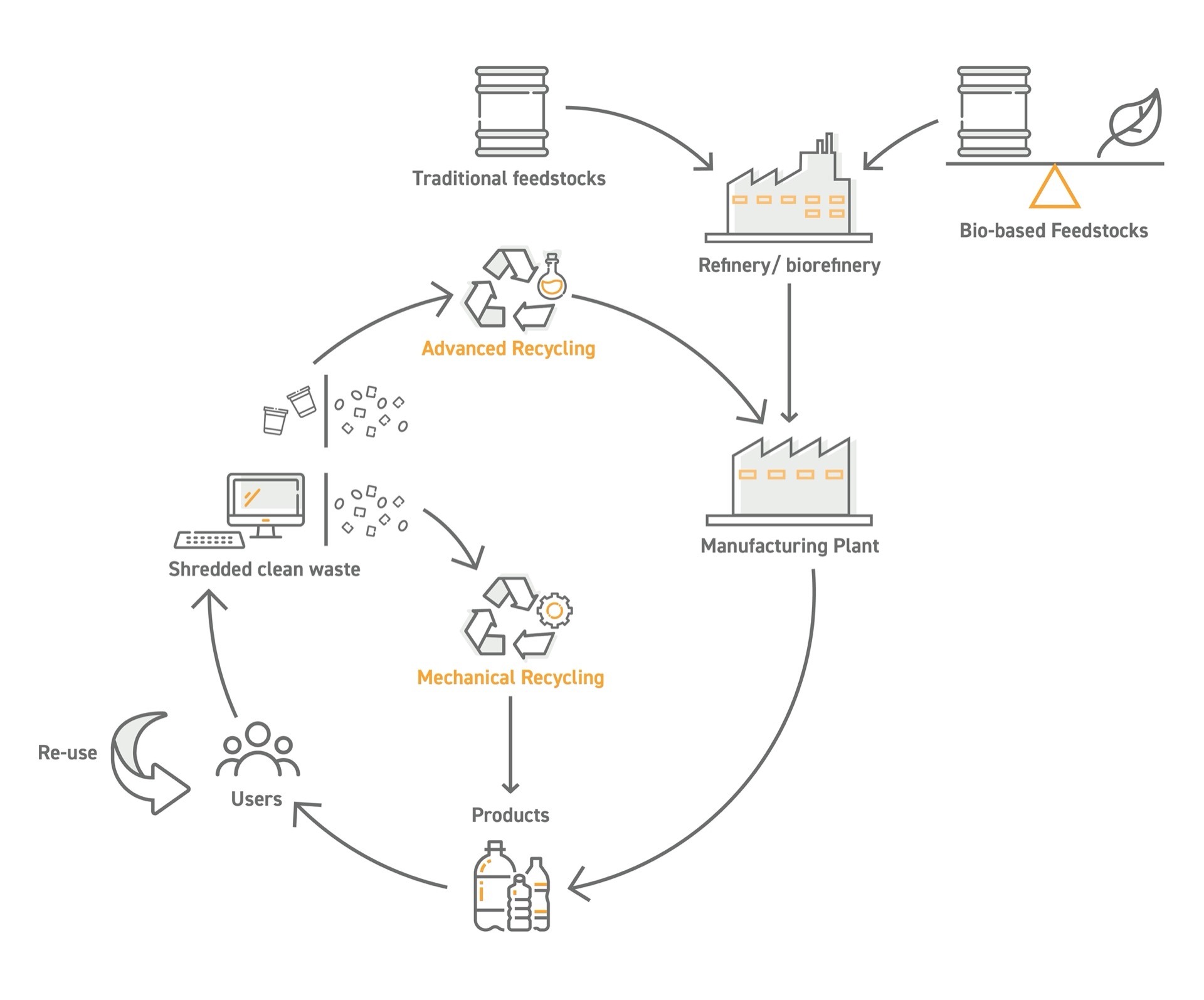
Recycling
Circular economy closing the circle BFPE English

What Is A Circular Economy?
The circular economy is a system where materials never become waste and nature is regenerated. In a circular economy, products and materials are kept in circulation through processes like maintenance, reuse, refurbishment, remanufacture, recycling, and composting. The circular economy tackles climate change and other global challenges, like.. Circular economy solutions to food loss. According to Food and Agriculture Organization (FAO, 2011), about one-third of the foodstuffs are lost every year on the way from the field to the plate. Next, the COVID-19 pandemic seems to have amplified food losses due to interrupted supply chains.
:watermark(assets.rndtech.de/azwaz/watermark-plus.svg,50,50,0)/cloudfront-eu-central-1.images.arcpublishing.com/madsack/DXAH2BLM2UMDVE4CQRDWLXNW2Y.jpg "Downloads VfL Wolfsburg")