Positive Behaviour Support (PBS) is an evidence-based approach that supports reduction in the frequency and intensity of behaviours of concern. It begins with person-centred planning, leads to an individualised service based on effective and ethical practice and produces outcomes that address the person’s wants and needs.. A behaviour support plan (BSP) is a document that contains individualised, evidence-based strategies to address the needs of a person identified as having behaviours of concern. For the planned interventions to be successful, a BSP needs to be technically and clinically competent, as well as understandable to those with an interest in it.
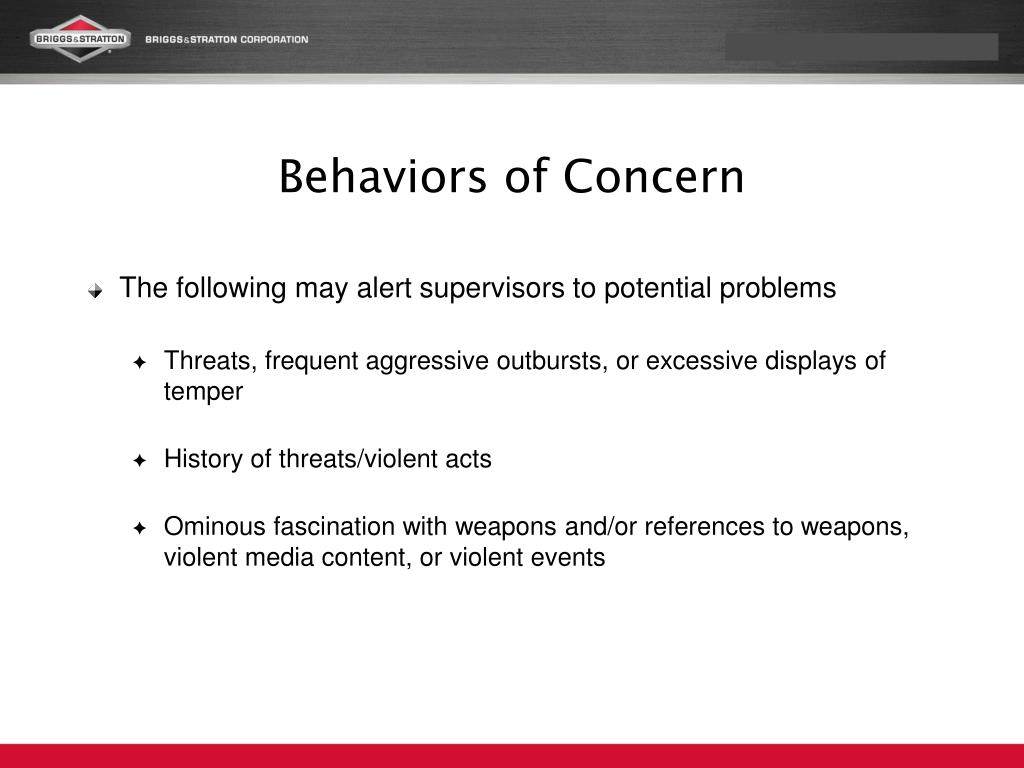
PPT Seminar Overview PowerPoint Presentation, free download ID6839594
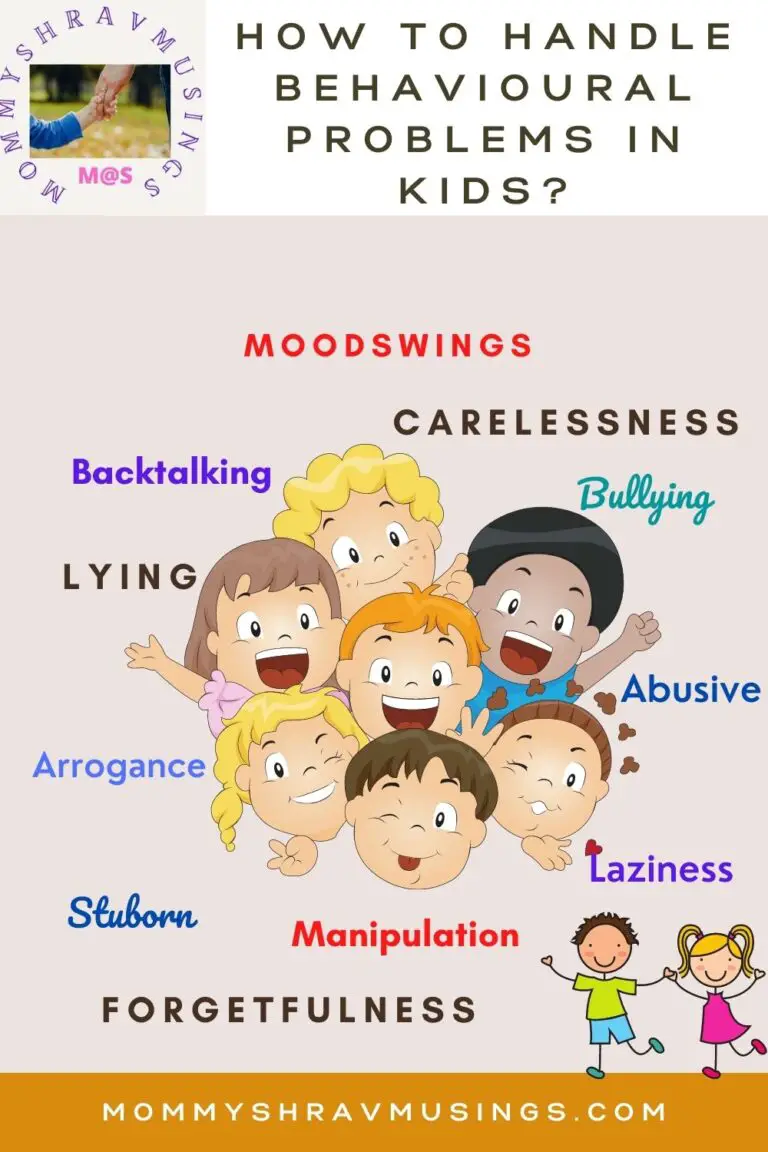
5 Top Common Behavioral Problems in Children MommyShravmusings
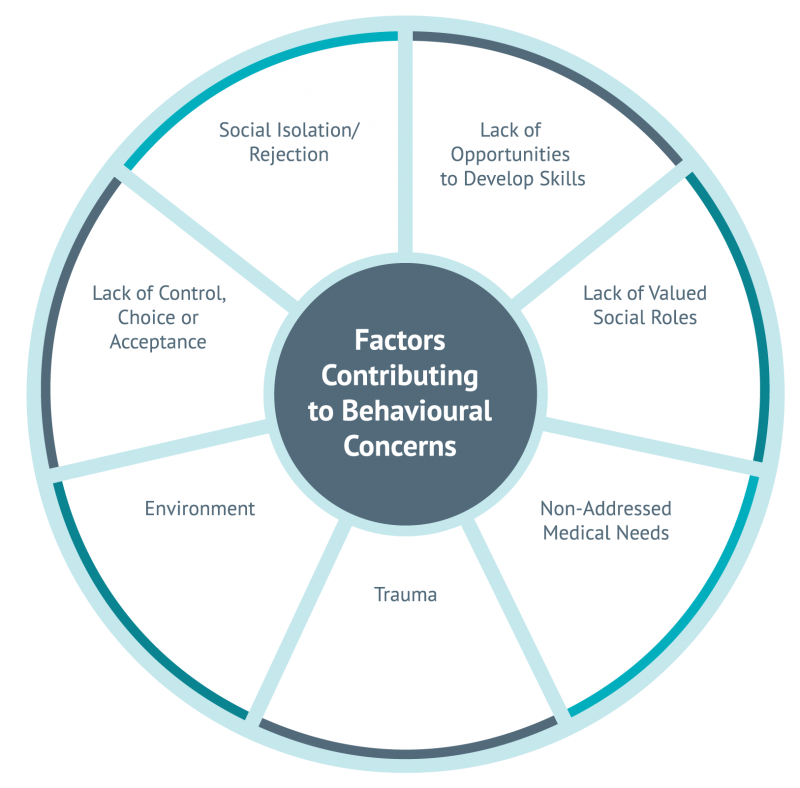
Factors Contributing to Behavioural Concerns Valor & Solutions
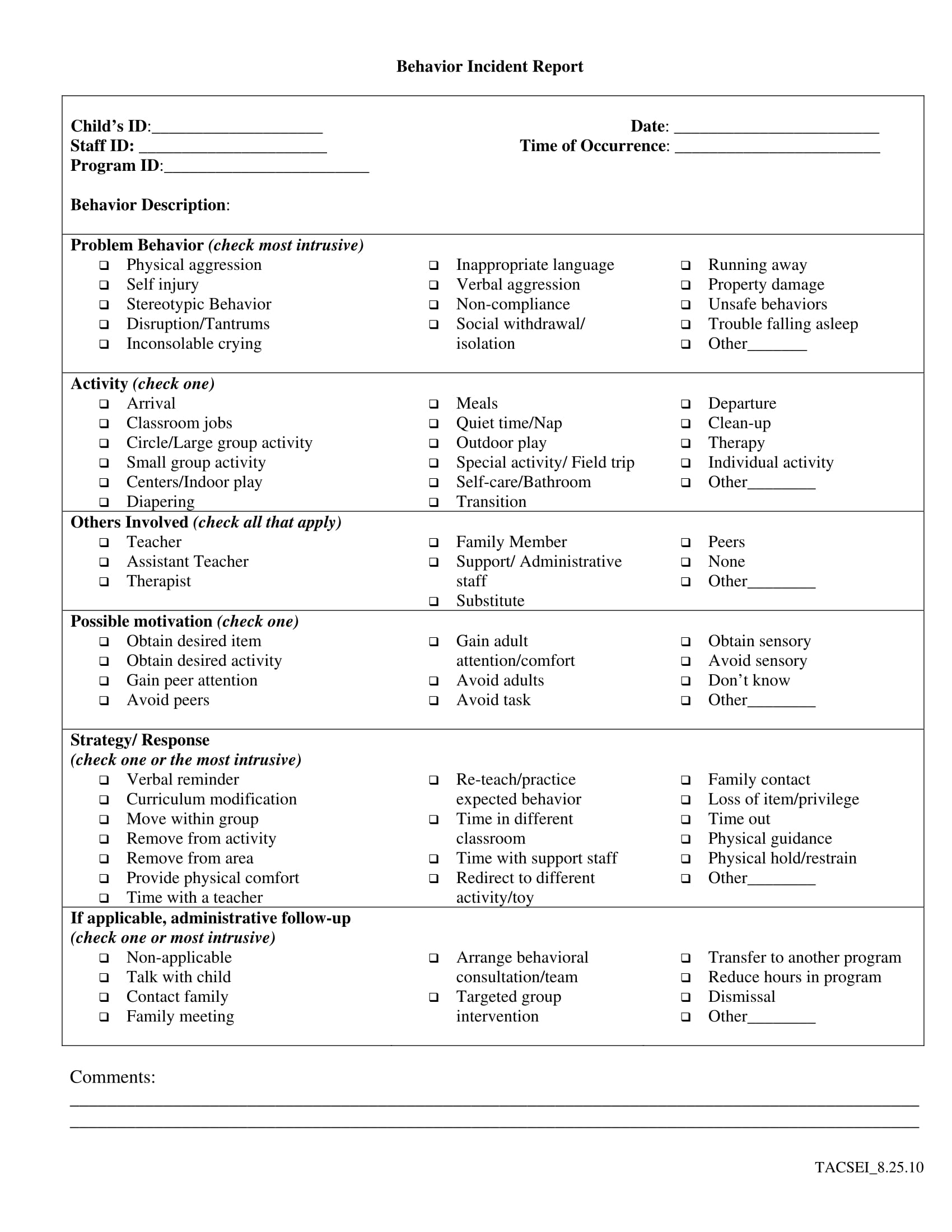
FREE 13+ Behavior Report Forms in PDF

Behavioral IEP where parents and teachers agree to the consequences of different behaviour

4 Functions of Behavior Why You Behave the Way You Behave? TheMindFool
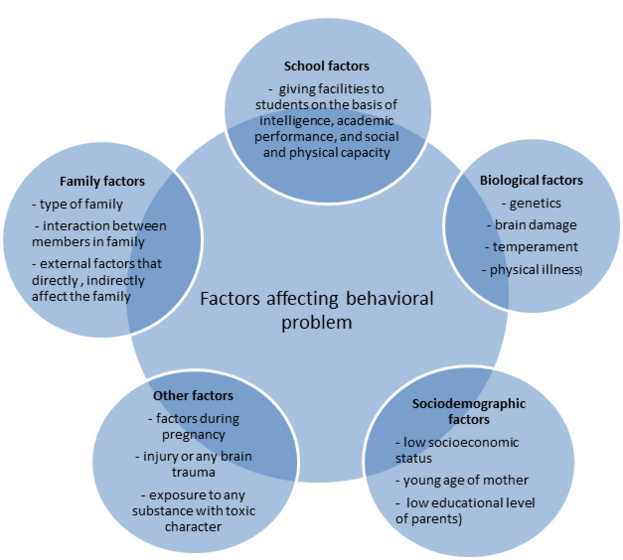
Describe the Sorts of Behaviour Problems That Should Be Referred

Behaviour Problems Conduct Disorder Counselling Directory
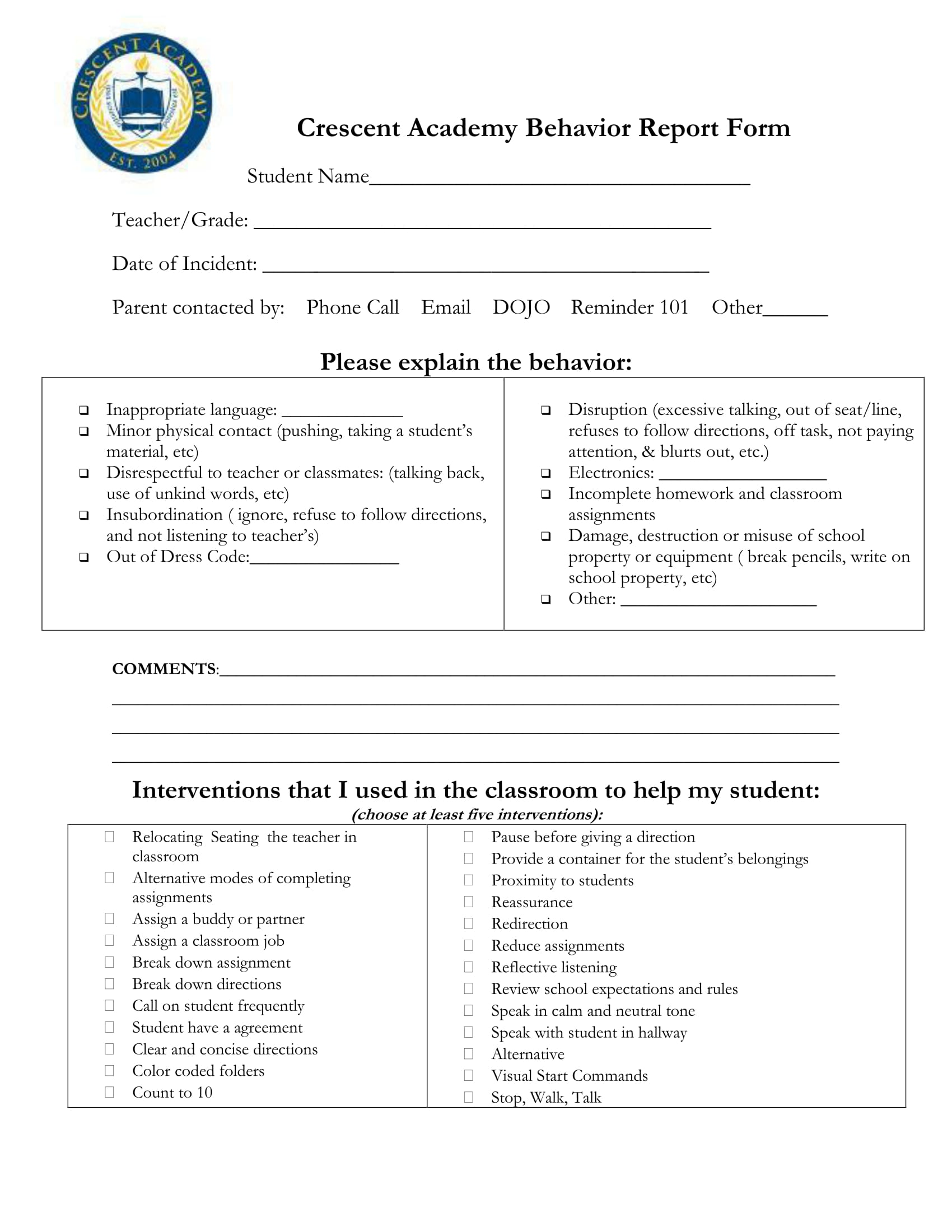
Behaviour Report Template

PPT Communication Assessment for People who engage in Behaviours Of Concern (BOC) Module 3
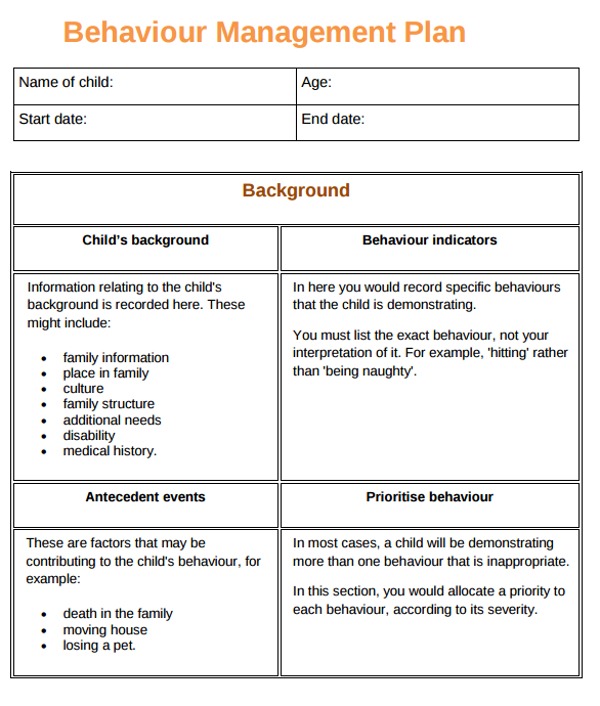
Behaviour Management Plan 10+ Examples, Format, Pdf Examples

Observable Behavior 10 Examples & Definition (Psychology) (2024)

PPT Student Performance Above vs. Below Expectations PowerPoint Presentation ID389395

12 Professional Behaviour Tips in the Workplace DBOS
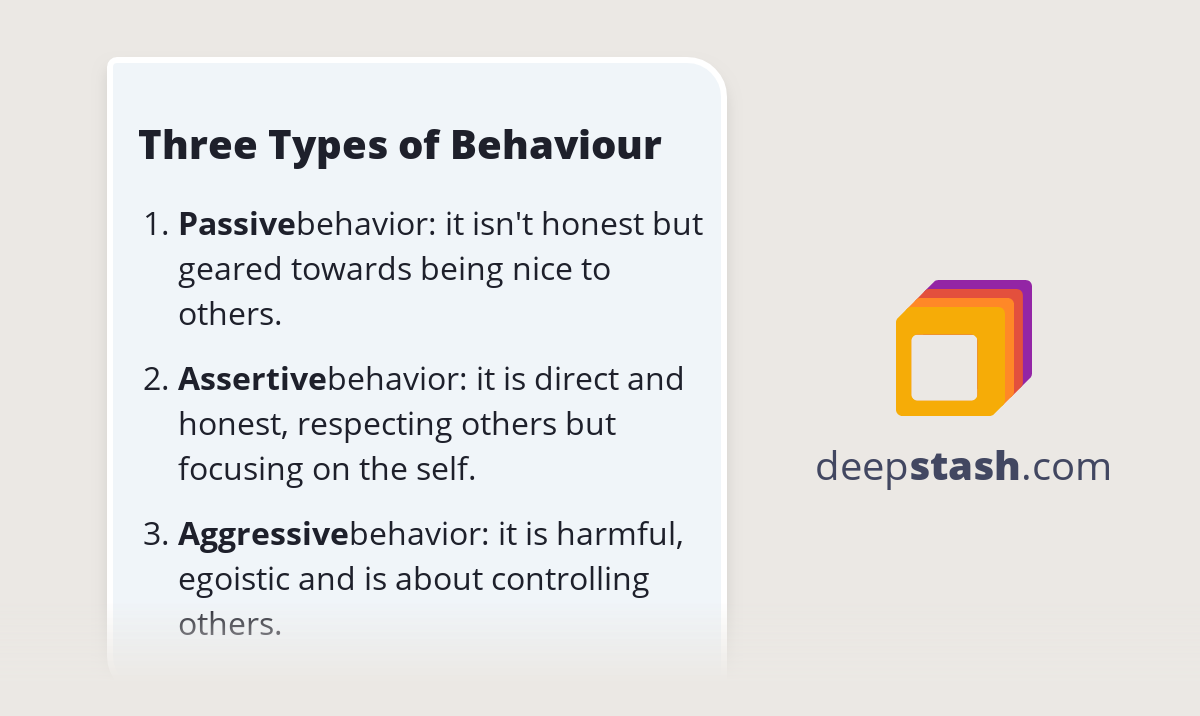
Three Types of Behaviour Deepstash
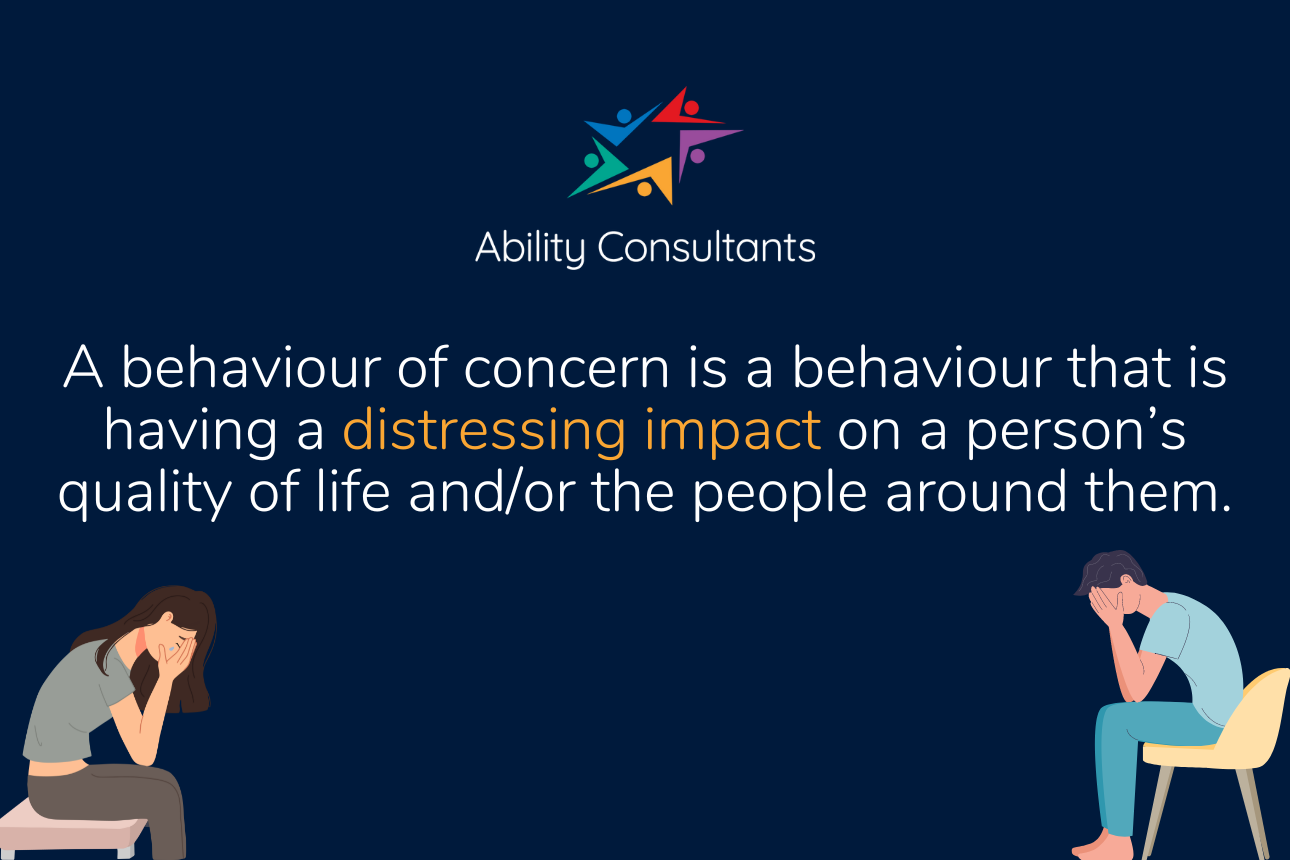
How do you respectfully guess the function of a behaviour of concern? Find out in this FREE

Pin on Classroom management and organization
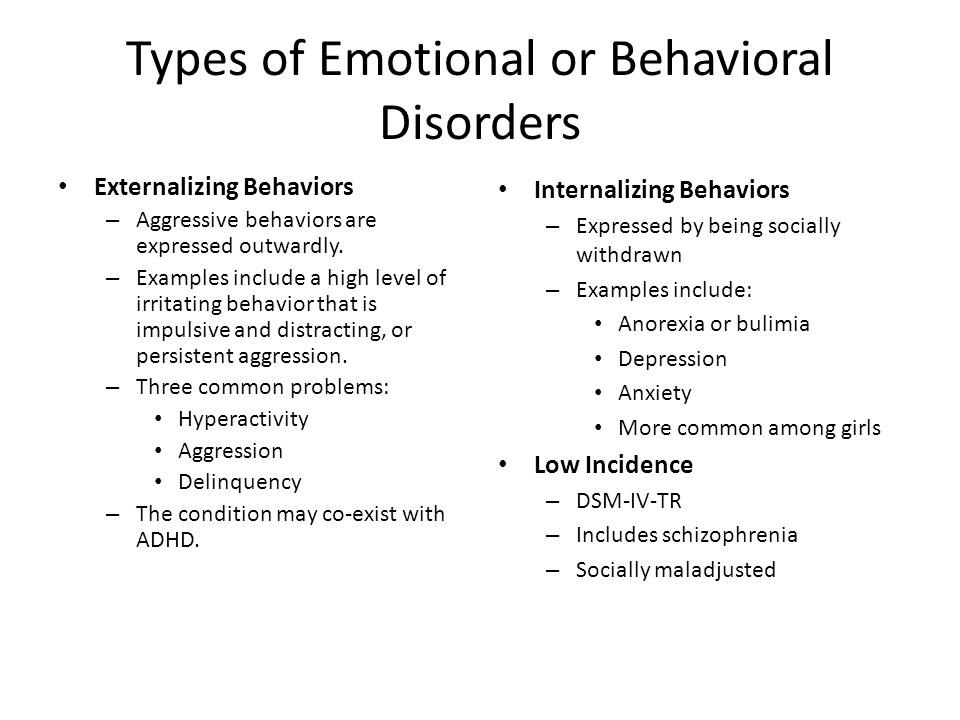
Emotional/Behavior Disorders Kelsie G’s Educational Portfolio
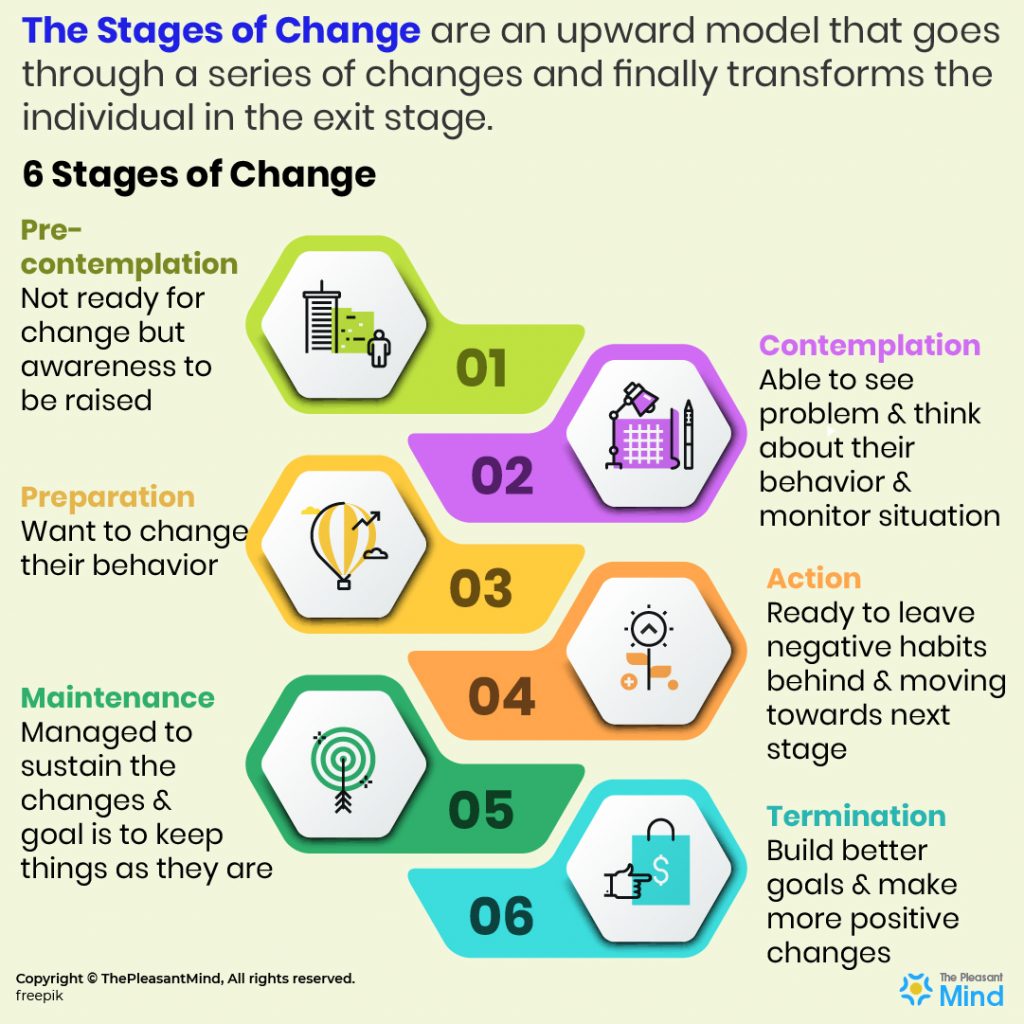
6 Stages of Change that Dictate Our Behavior ThePleasantMind

Behaviour Support Plan (BSP) under NDIS and Behaviours of Concern
Locking away/secluding. Hitting. Tying up. Ignoring/shunning. Bribing (Coercion) Positive behaviour support is a modern approach to behaviours of concern. It is transforming the way we respond to people with disabilities when their behaviour prevents them accessing the community, or is a danger to themselves or others.. Acute behavioural change in residents is most often associated with delirium or behavioural and psychological symptoms of dementia. Residents require assessment for underlying medical precipitants and/or unmet needs. Implementation of an individualised behavioural support plan may prevent escalation through early recognition and / or prevention.
:watermark(assets.rndtech.de/azwaz/watermark-plus.svg,50,50,0)/cloudfront-eu-central-1.images.arcpublishing.com/madsack/DXAH2BLM2UMDVE4CQRDWLXNW2Y.jpg "Downloads VfL Wolfsburg")