Many half- and full-day Rio de Janeiro city tours include Maracanãas a drive-by feature or photo op. And while the stadium no longer offers the intense football experience native to Brazil, the sports museum inside the stadium offers exhibits featuring photographs, championship cups, and Pelé’s famous No. 10 jersey.. Le stade Maracanã (en portugais : Estádio do Maracanã) est un stade de football situé à Rio de Janeiro au Brésil. Son nom officiel est depuis 1966 Estádio Jornalista Mário Filho, en hommage au journaliste sportif et écrivain Mário Filho . Inauguré le 16 juin 1950 pour la Coupe du monde de 1950, l’ Estádio Municipal est dès sa.

Tour Estádio do Maracanã, Rio de Janeiro Uma Viagem Diferente

Estádio Do Maracanã Rio De Janeiro RJ Destinos Br

VIDÉOS Maracanã, un stade mythique

Le stade du Maracanã
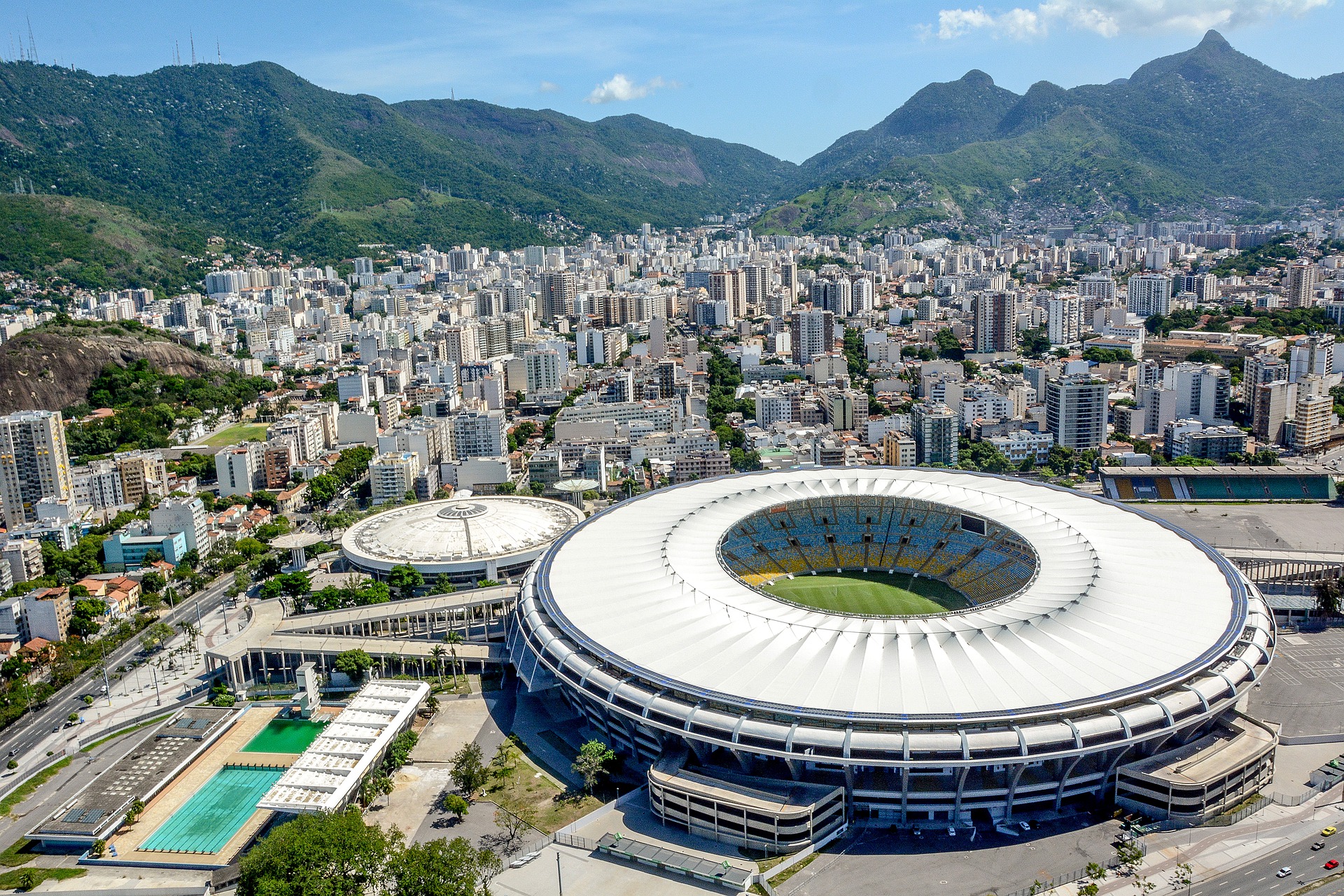
Maracanã Stadium (Rio de Janeiro) Sports Tourist

Le stade Maracaña à Rio la cathédrale du foot

Experience The Best Of Brazil During Rio Olympics 2016! HolidayMe Largest football stadium

inside the massive Maracana Stadium in Rio de Janeiro (December 15th, 2015) YouTube
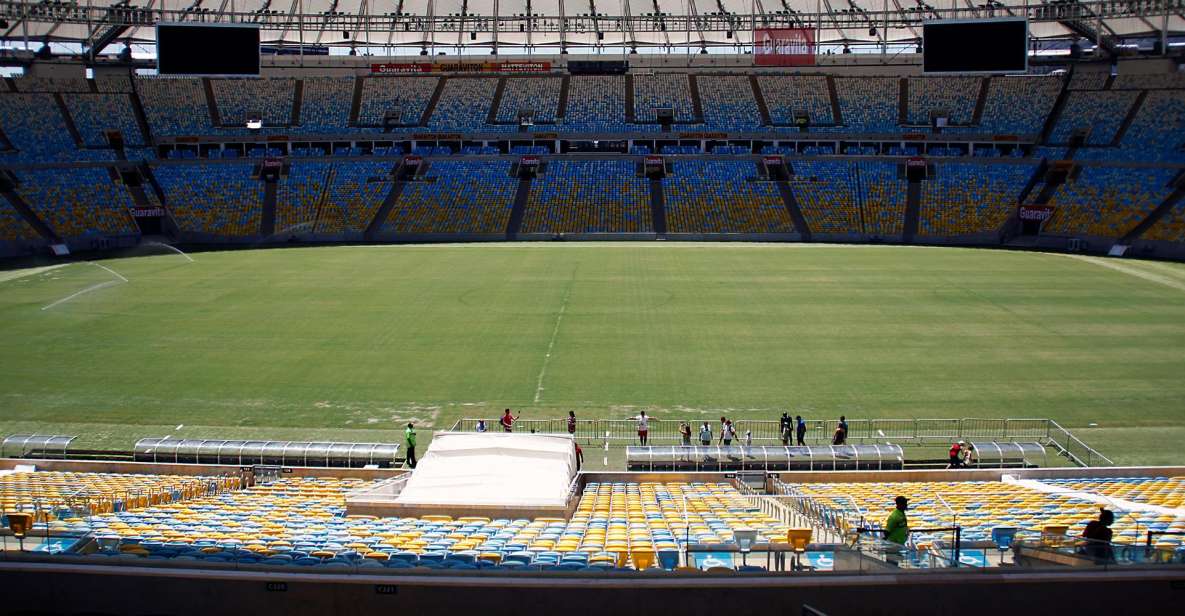
MaracanãStadion Tour hinter die Kulissen GetYourGuide
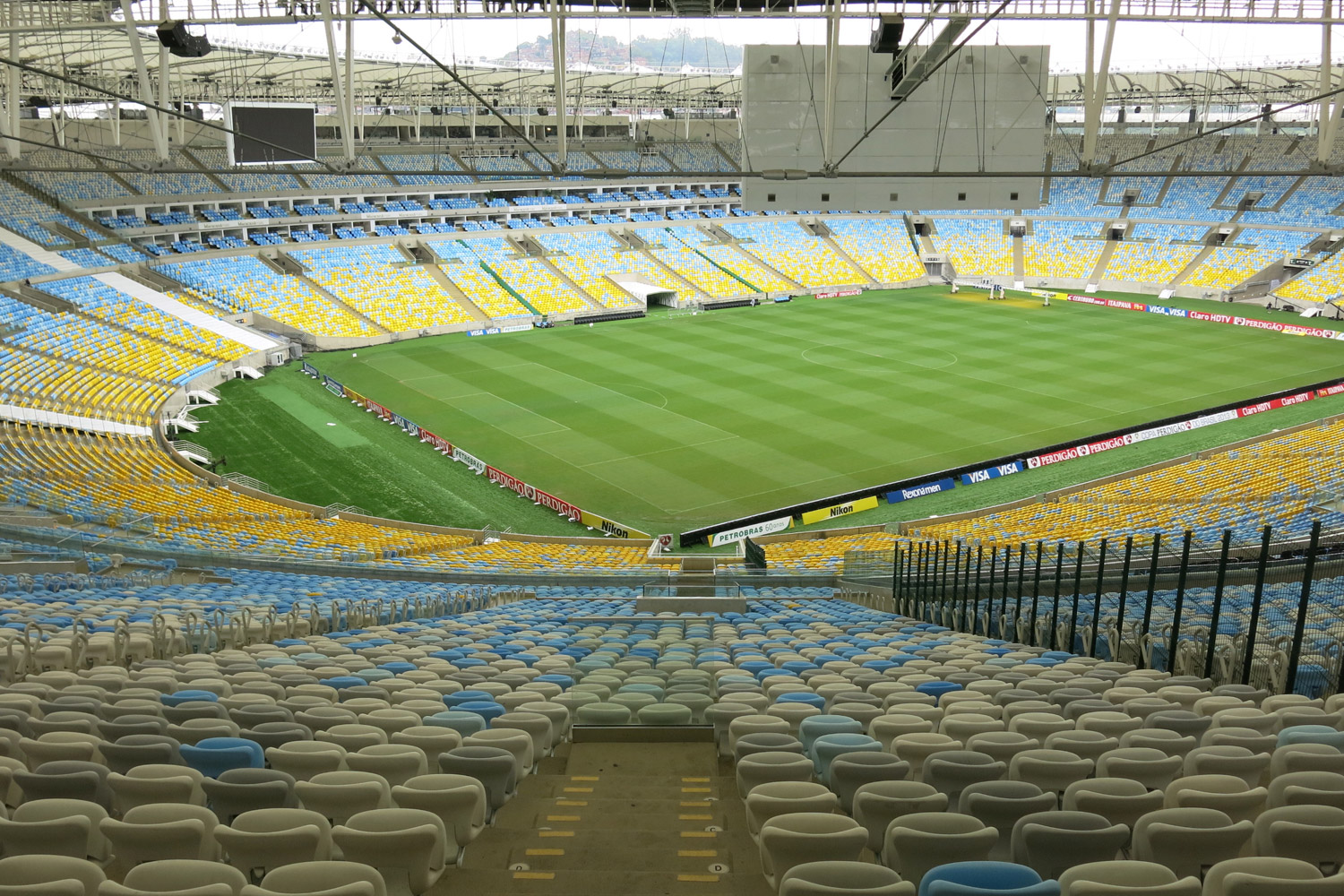
Estadio Maracana Estadio Maracanã Rio de Janeiro, Brazil Football Tripper godsowndisciple
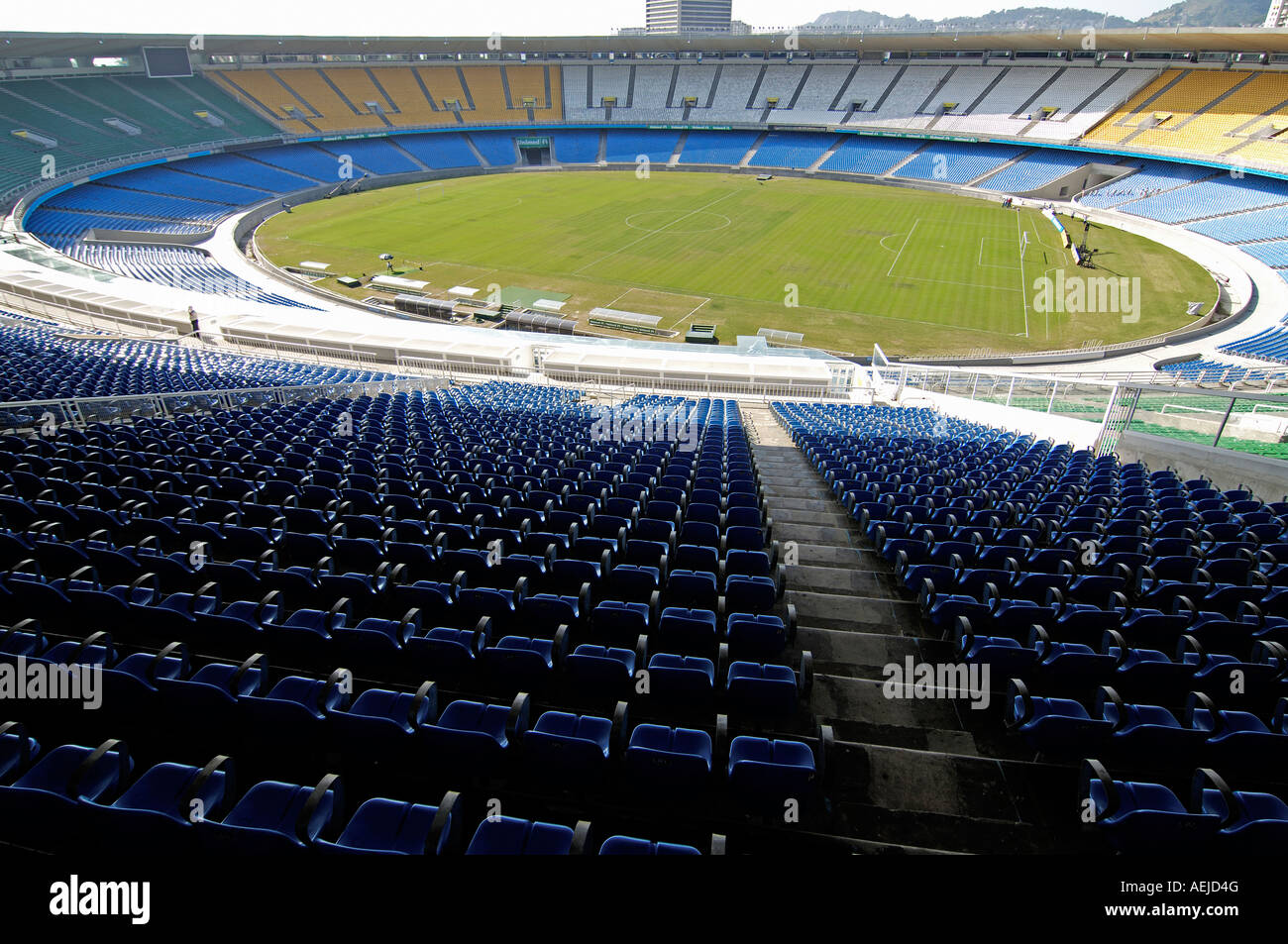
Du stade Maracana, le plus grand stade de football du monde, Rio de Janeiro, Brasil Photo Stock

Le stade Maracanã, temple du beau jeu
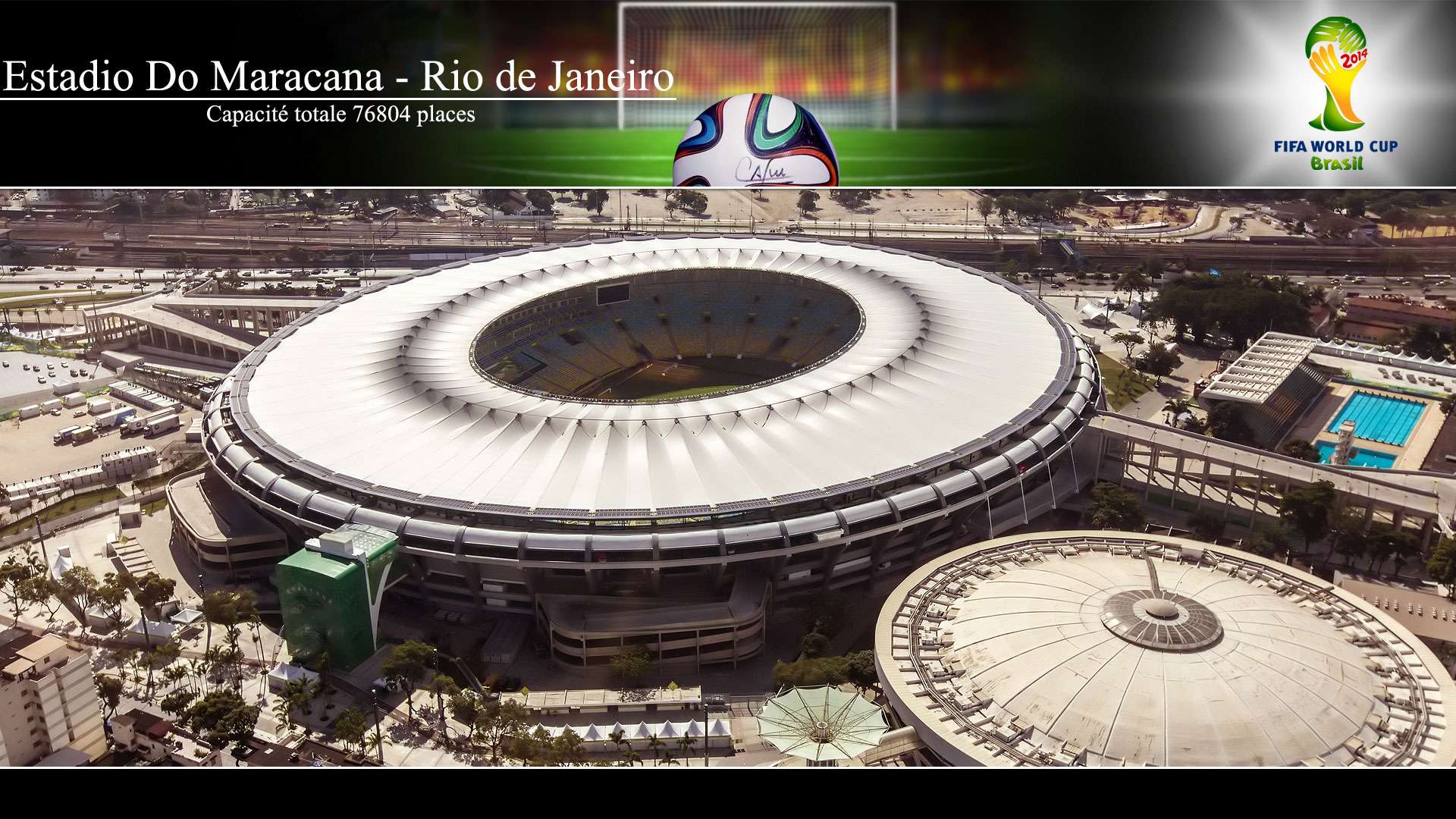
Stade Maracanã Photos Futura
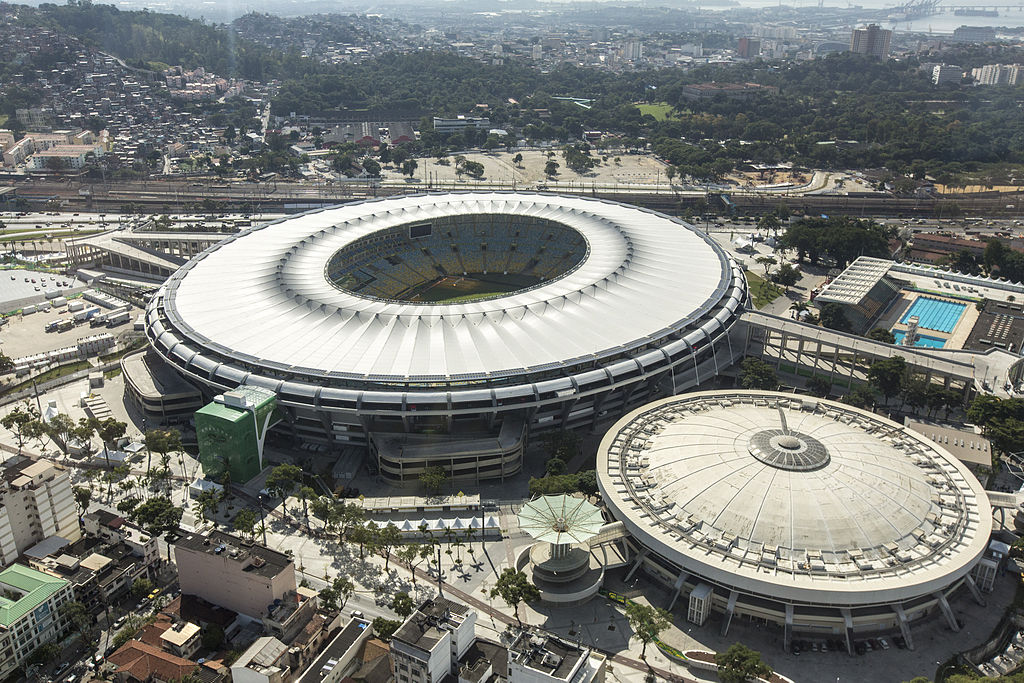
Maracana Stade rio de janeiro Destination Brésil
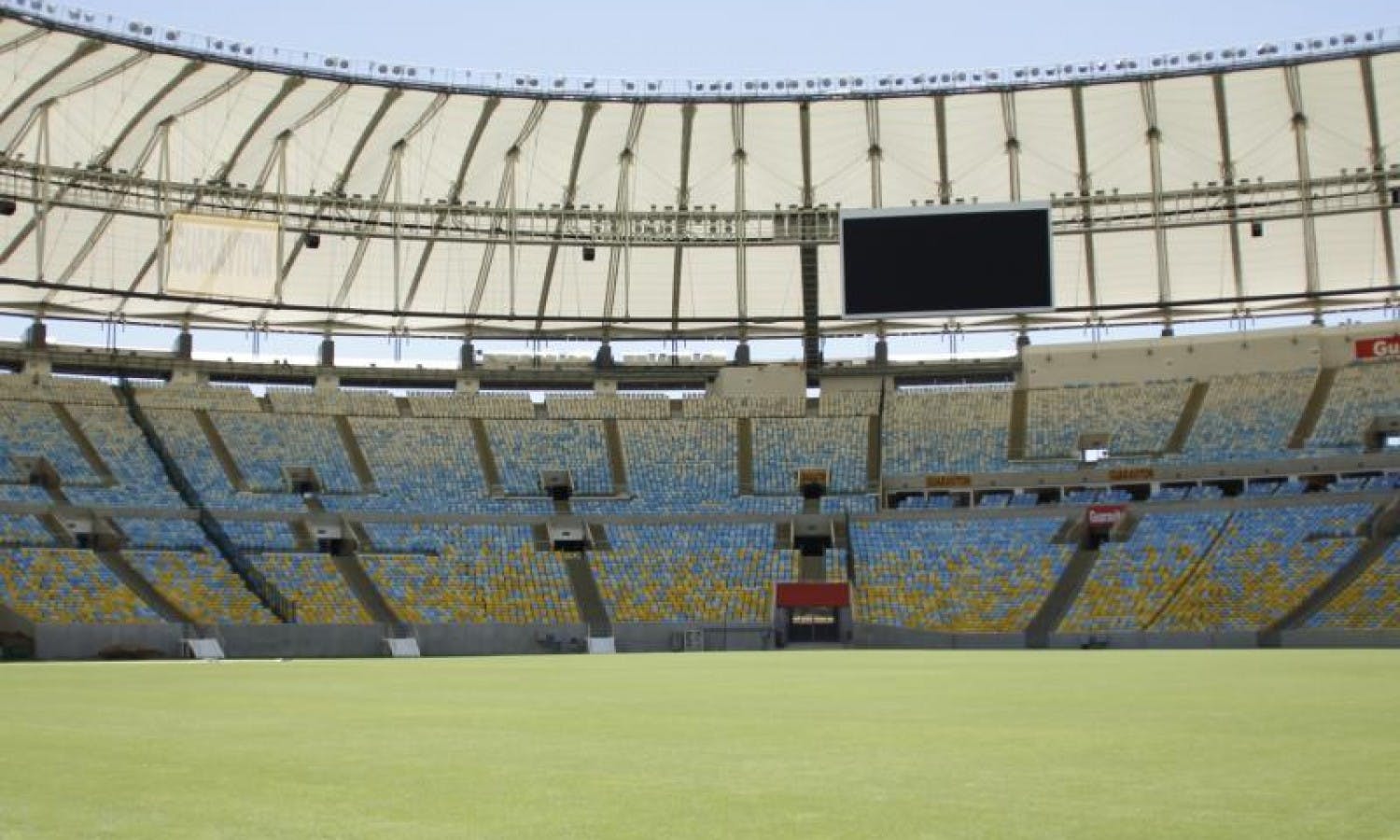
Maracana Stadium behind the scenes tour musement

Stade Maracanã billet d’entrée officiel GetYourGuide

Le Stade De Maracana En Rio De Janeiro Image éditorial Image du latin, stade 39577810
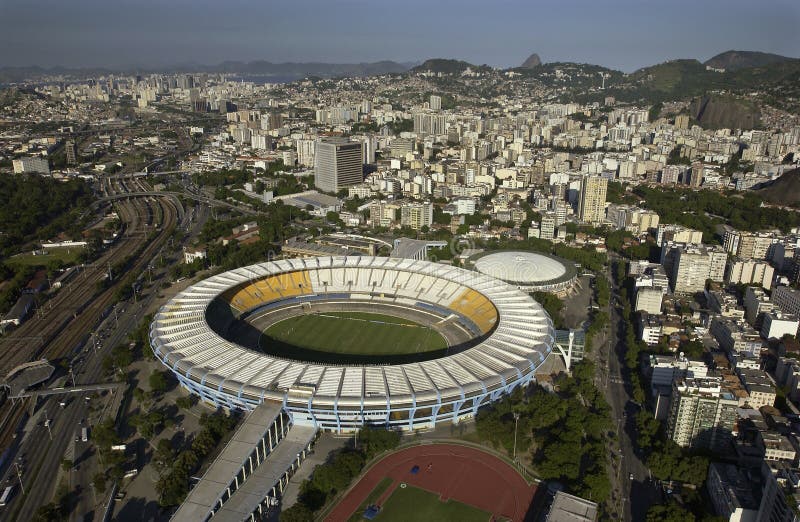
Estadio Font Maracana Stade De Maracana Rio De Janeiro Le Brésil Photographie éditorial

Estructura de cubierta del Estadio Maracaná / schlaich bergermann und partner ArchDaily en Español
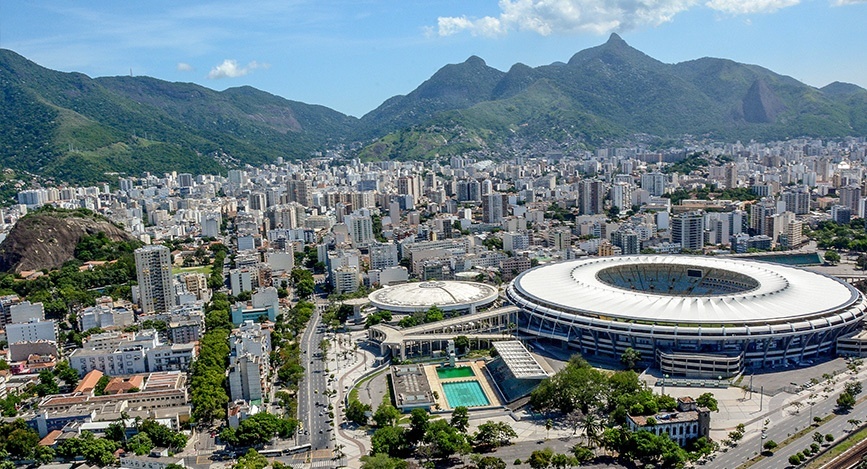
visiter Stade du Maracanã
Longtemps en tête du classement des plus grands stades du monde — 183 000 places assises, plus de 220 000 places au total jusqu’en 1990 — l’arène située dans l’Ouest de Rio de Janeiro est un mythe du ballon rond, ayant accueilli de nombreux matchs de légende comme la « finale » de la Coupe du Monde 1950 perdue par le Brésil face à l’Uruguay, la finale de la Copa America.. In Tupi, a native language, the word maracanã means “like a rattle.”. The stadium was built for the fourth edition of the FIFA Soccer World Cup, which had Brazil as its headquarters. Its inauguration took place on June 16, 1950, when it gained the status of “the largest stadium in the world.”. The main stage of the World Cup had, at.
:watermark(assets.rndtech.de/azwaz/watermark-plus.svg,50,50,0)/cloudfront-eu-central-1.images.arcpublishing.com/madsack/DXAH2BLM2UMDVE4CQRDWLXNW2Y.jpg "Downloads VfL Wolfsburg")