In the United States, the federal legislative powers—the ability to consider bills and enact laws—reside with Congress, which is made up of the US Senate and the House of Representatives. This resource is designed to help you understand how this complex process works! Introducing a Bill and Referreal to a Committee.. bill dies. The Bill Becomes Law. Officially, after the President signs the bill, 10 days passes without a signature, or after a veto override, the bill is considered law. It is in effect at that moment. But in reality, it is, of course, more difficult than that. The law is transmitted to the Archivist of the United States. The Archivist

Bill to Law Nory’s Government Views

Difference Between Act and Bill
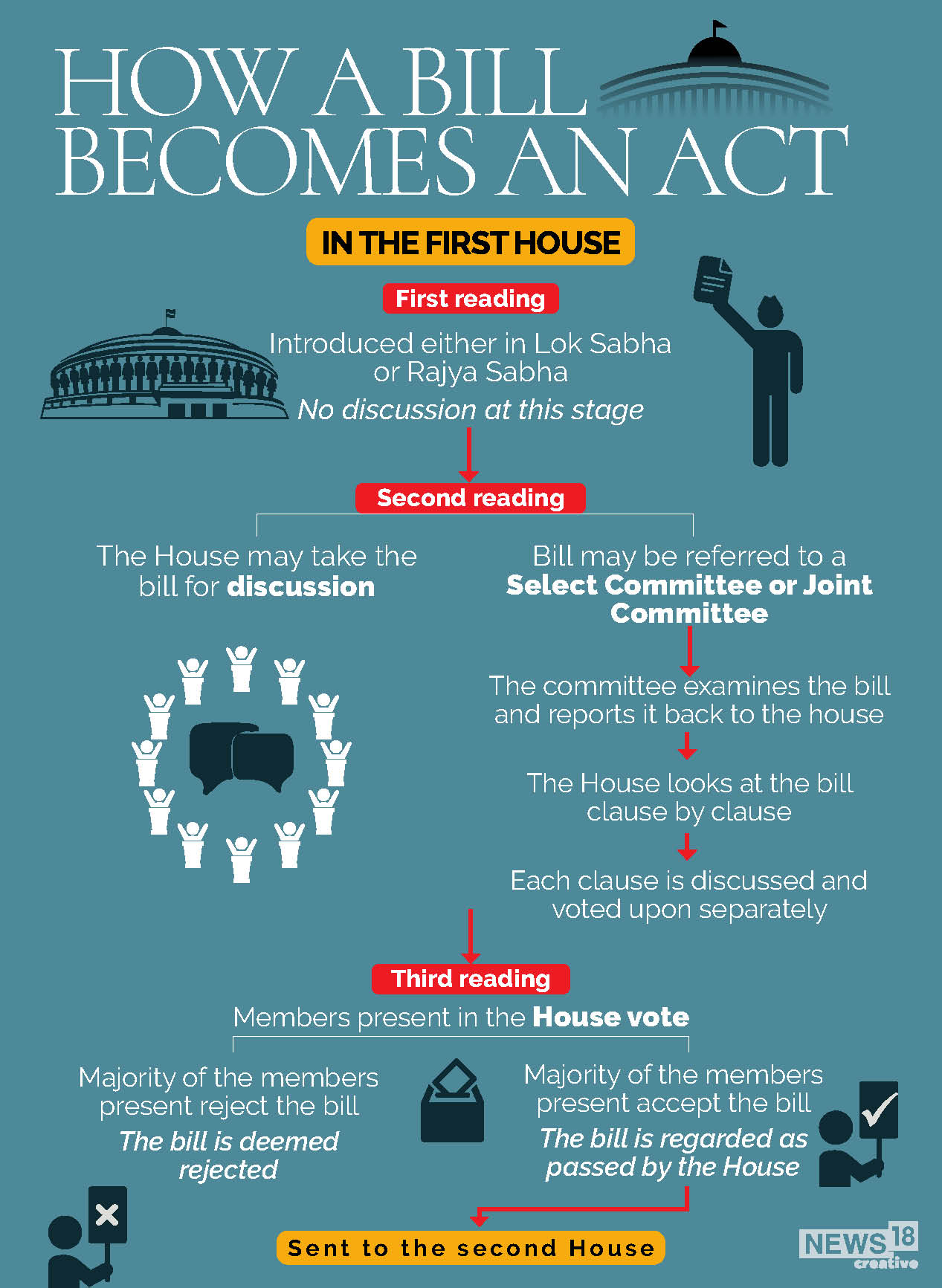
Parliament passes bill to repeal farm laws. Here’s how it will an act

how a bill a law How a Bill Law Introduction to legislative histories
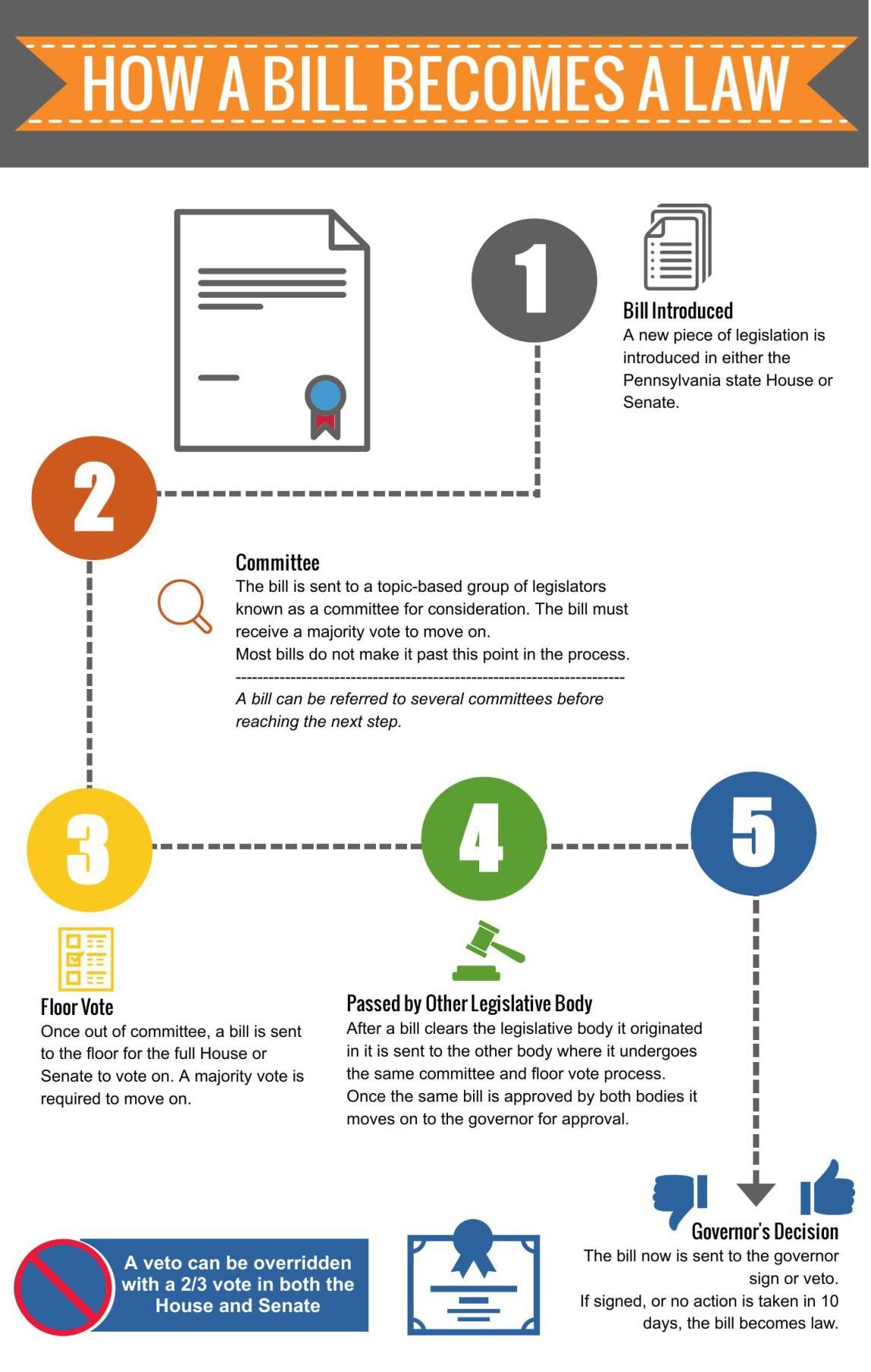
How a bill a law
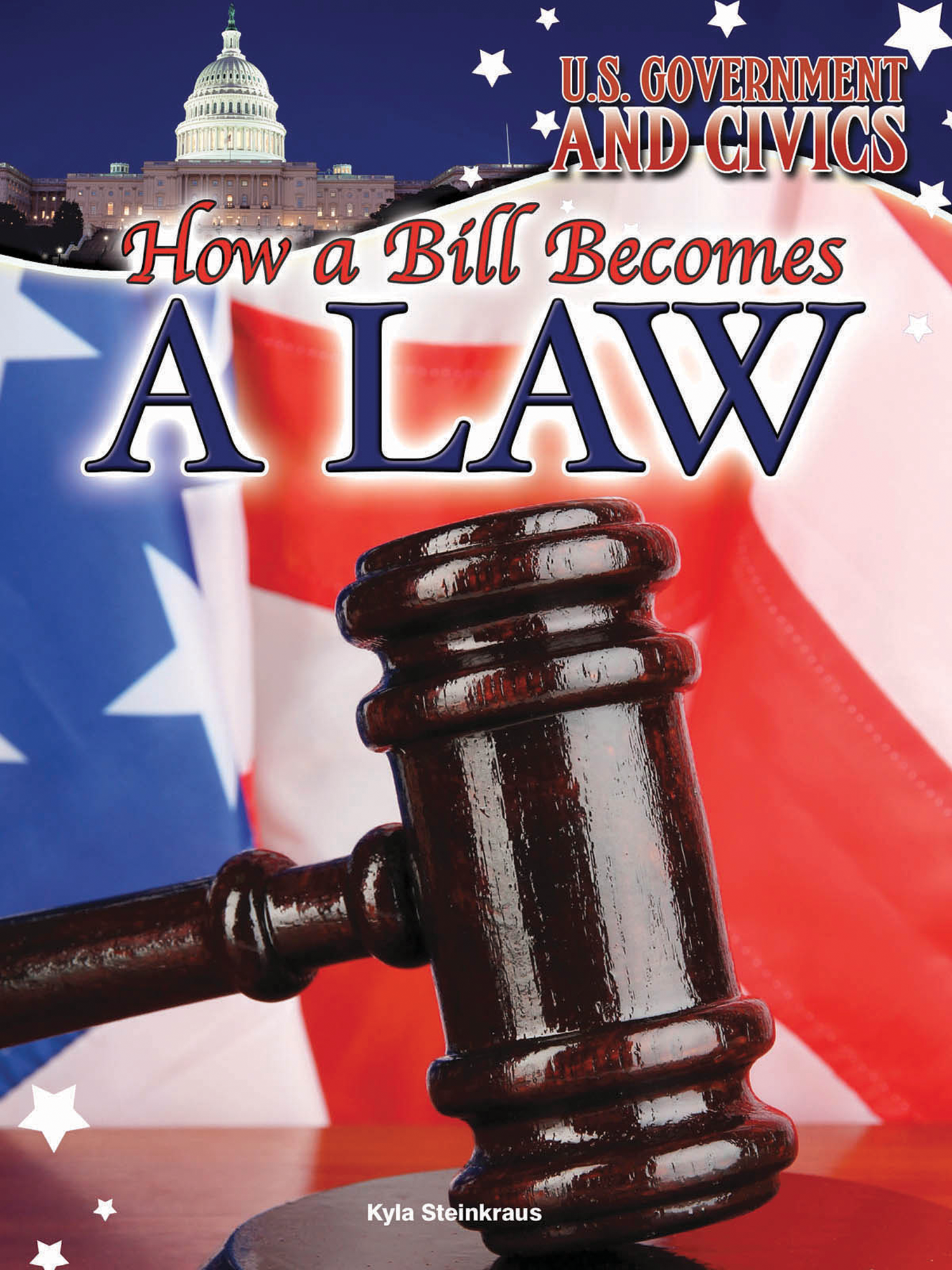
How a Bill a Law TCR178044 Teacher Created Resources

(1) PLEN
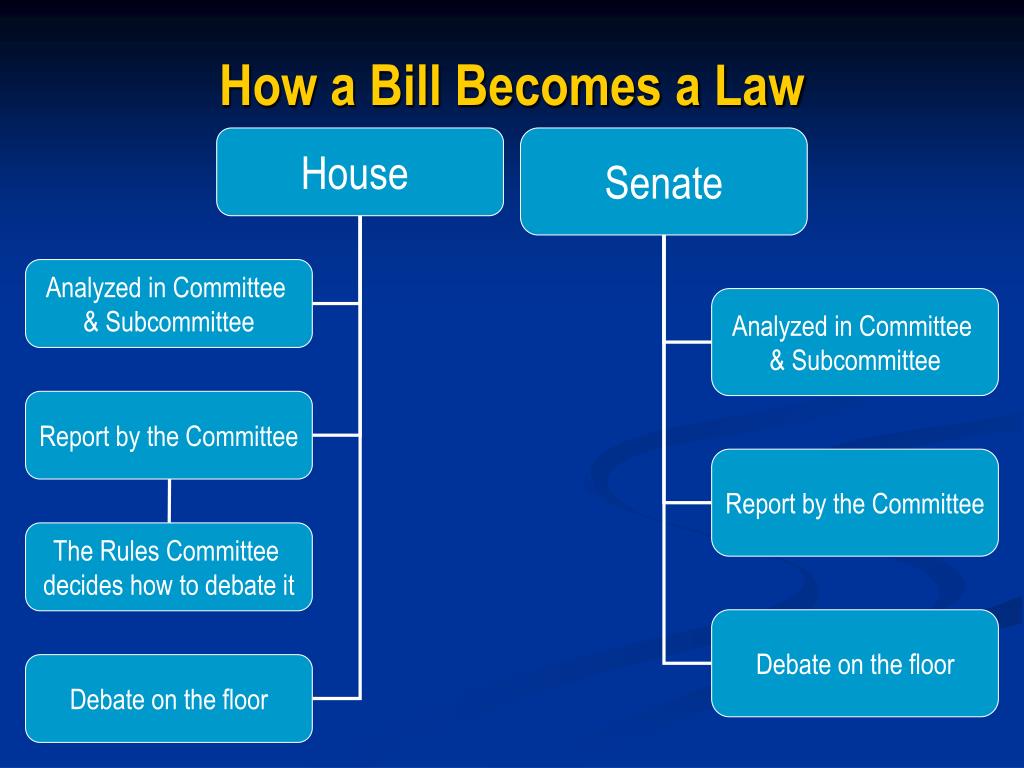
PPT How a Bill a Law PowerPoint Presentation, free download ID211728

Teaching Resource An infographic poster to display in the classroom showing the steps of the

Meaning and explanation of Law, Bill, Act and Ordinance. YouTube
Bills clipart government bill, Bills government bill Transparent FREE for download on
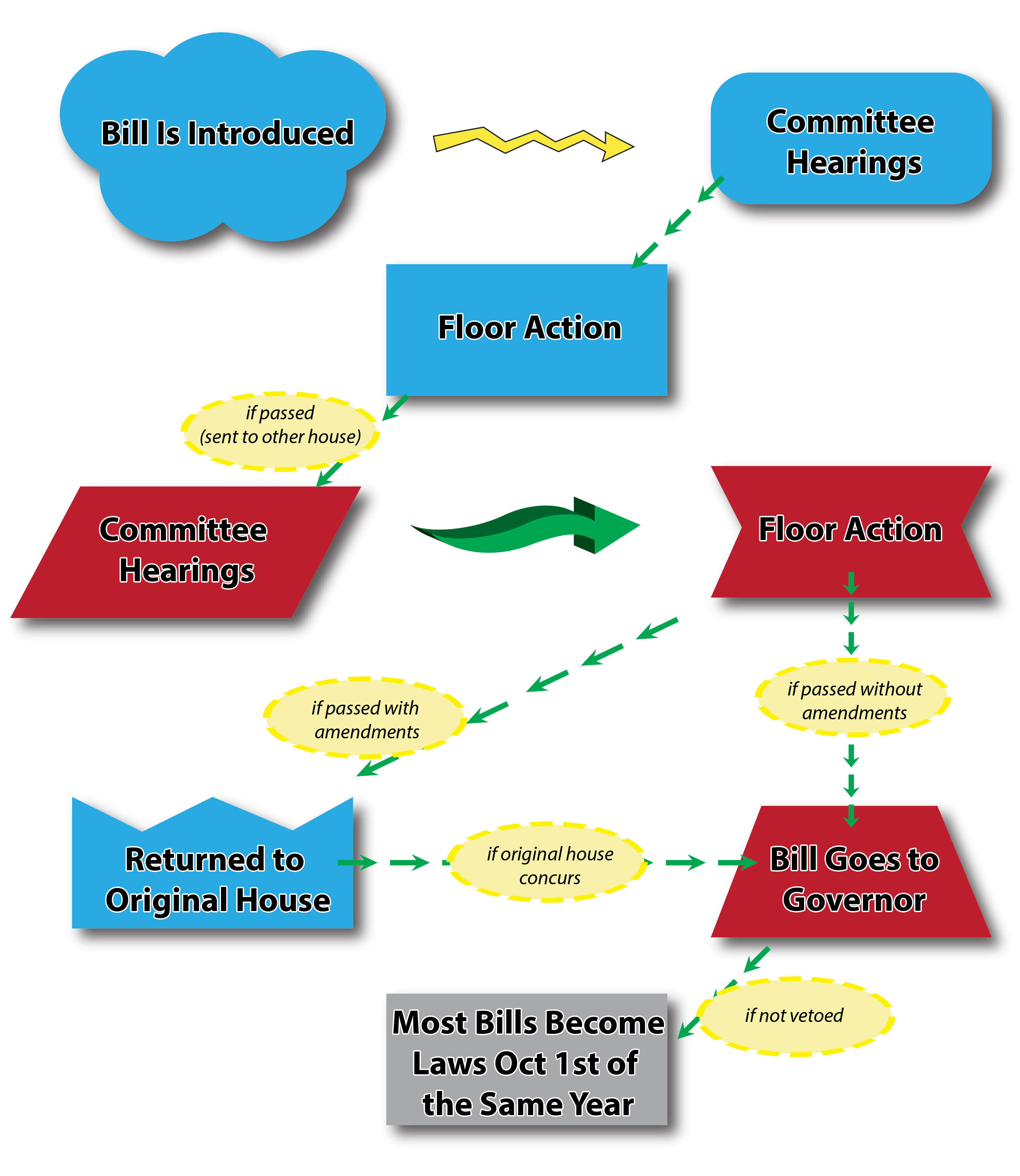
How A Bill A Law

How a Bill a Law Veto United States House Of Representatives

How Does A Bill A Law in The US? WorldAtlas
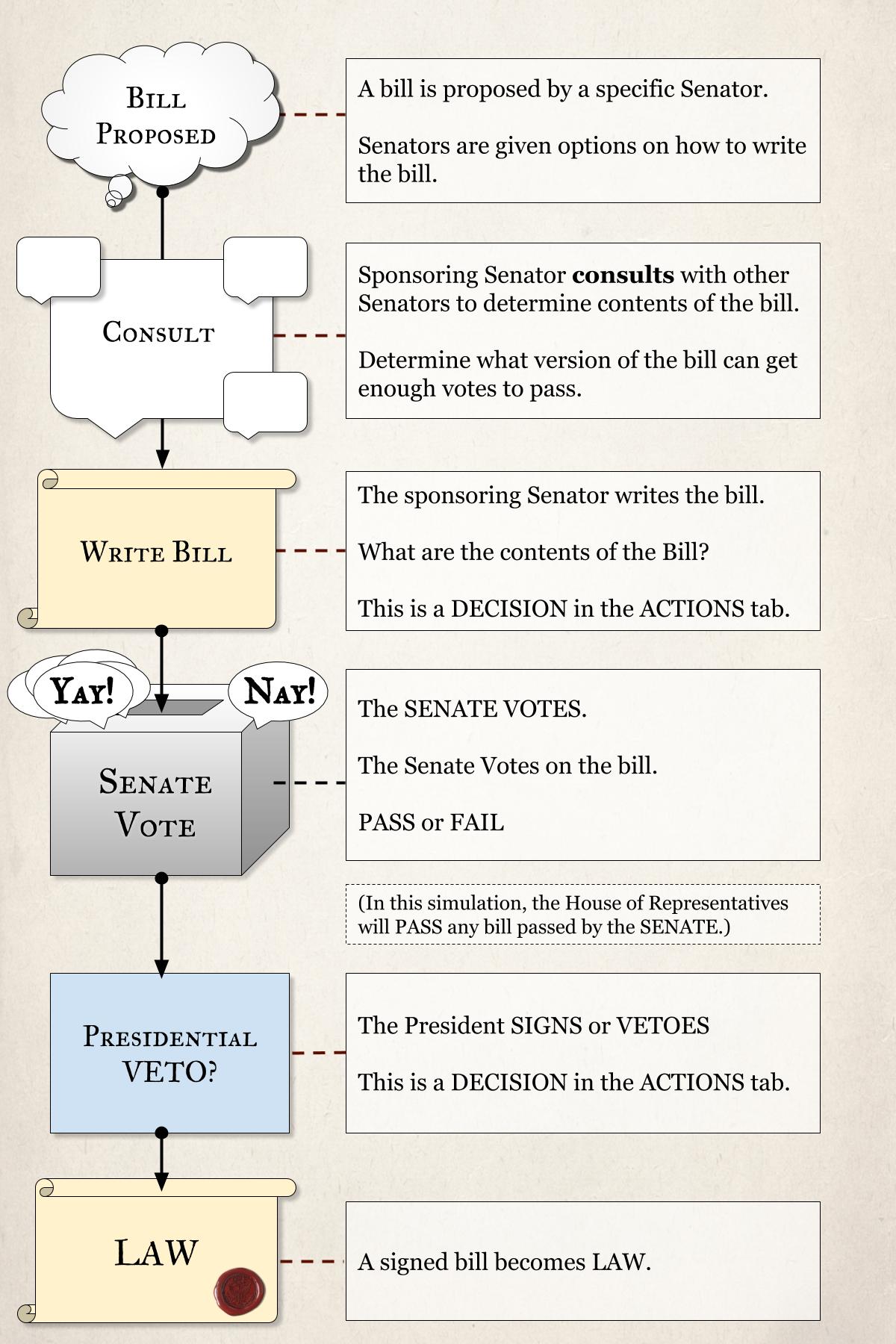
How a Bill A Law Situation Room Experience
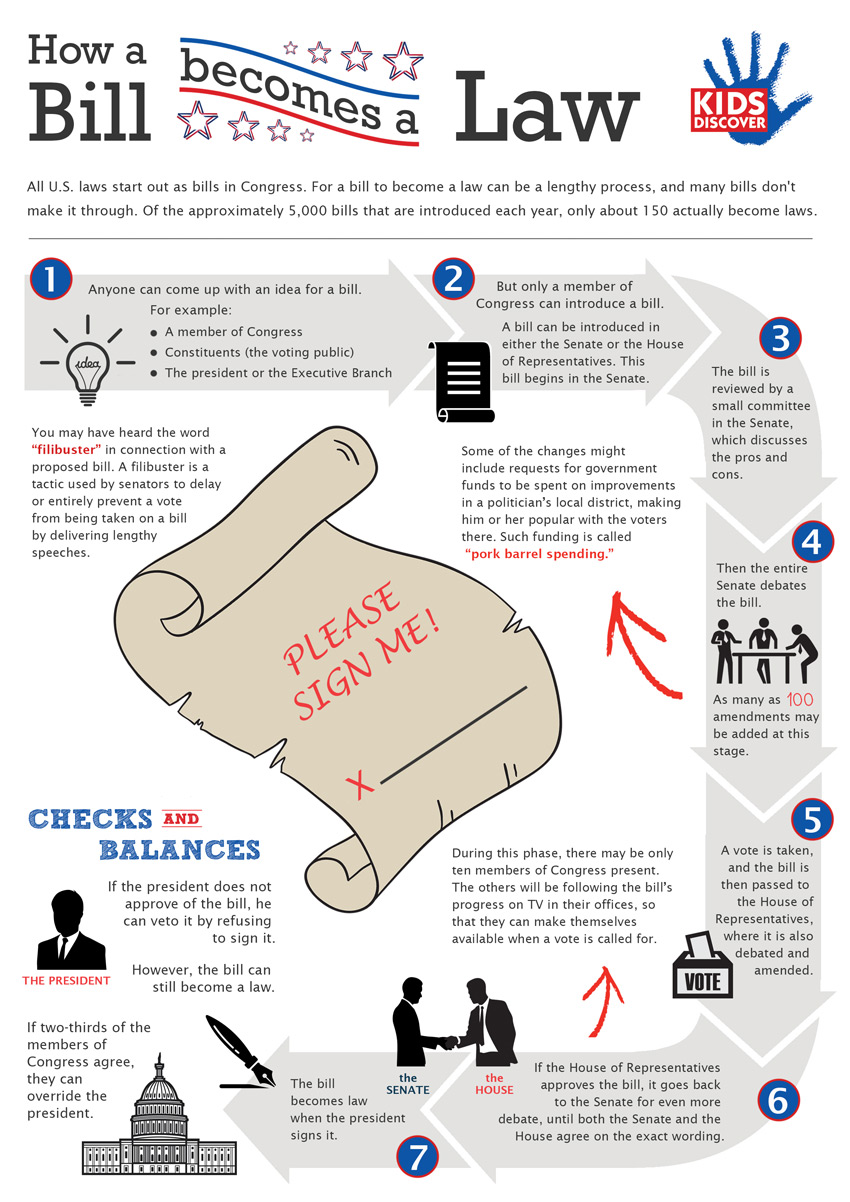
Infographic How a Bill a Law Kids Discover

How a Bill a Law Infographic
How Does a Bill a Law? YouTube
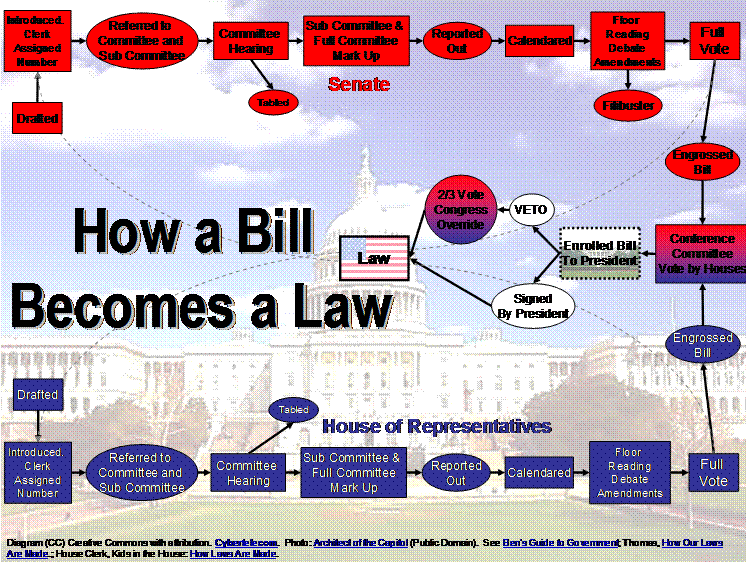
How a bill a law
Bills Signed Into Law by Ige June 25, 2021 Big Island Thieves
When a bill reaches the President, he has three choices. He can: Sign and pass the bill—the bill becomes a law. Refuse to sign, or veto, the bill—the bill is sent back to the U.S. House of Representatives, along with the President’s reasons for the veto. If the U.S. House of Representatives and the U.S. Senate still believe the bill.. How Bills Become Laws According to the U.S. Legislative Process. Article I, Section 1 of the United States Constitution grants all legislative or law making powers to the U.S. Congress, which is made up of a Senate and House of Representatives. In addition to its legislative powers, the Senate has the power to advise and consent in matters of.
:watermark(assets.rndtech.de/azwaz/watermark-plus.svg,50,50,0)/cloudfront-eu-central-1.images.arcpublishing.com/madsack/DXAH2BLM2UMDVE4CQRDWLXNW2Y.jpg "Downloads VfL Wolfsburg")